
Signature story 04
Rebuilding our churches.
What does it mean to rebuild a church?
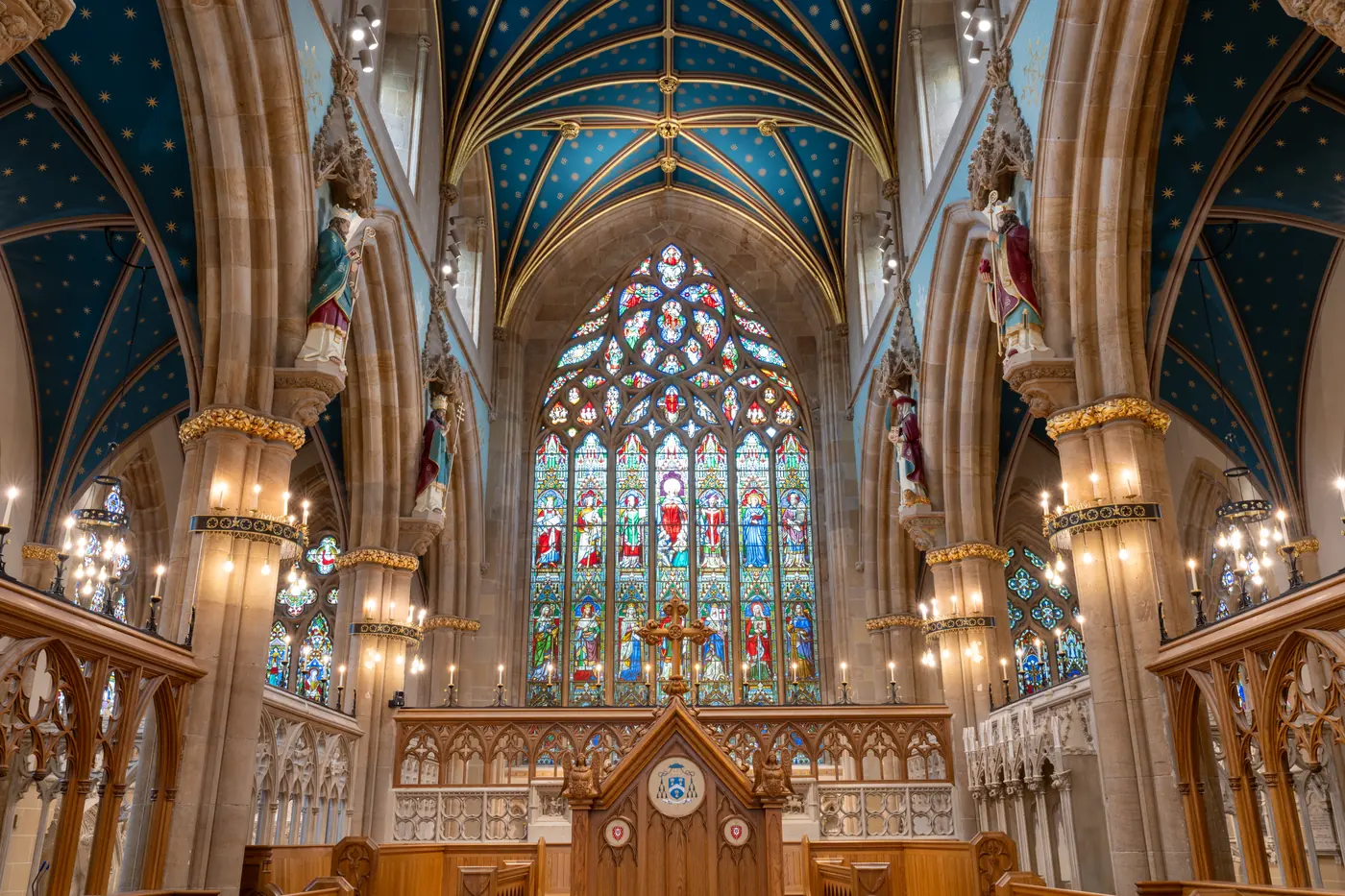
Salford Cathedral. Photograph courtesy of the Diocese of Salford.
He began with stone
The story goes that when St. Francis of Assisi heard Christ tell him to rebuild his Church, he looked first at the crumbling walls around him. So he began with stone. He gathered what he could and repaired the ruined chapel of San Damiano with his own hands. Only later would those words acquire the larger meaning for which they are remembered.
Yet there is something useful in the fact that St. Francis began so literally. A church is prayer and people, memory and mission, but it is also timber that weakens, glass that lets heat escape, stone that absorbs water, and roofs that eventually begin to leak. Caring for a sacred place has always required attention to the material.
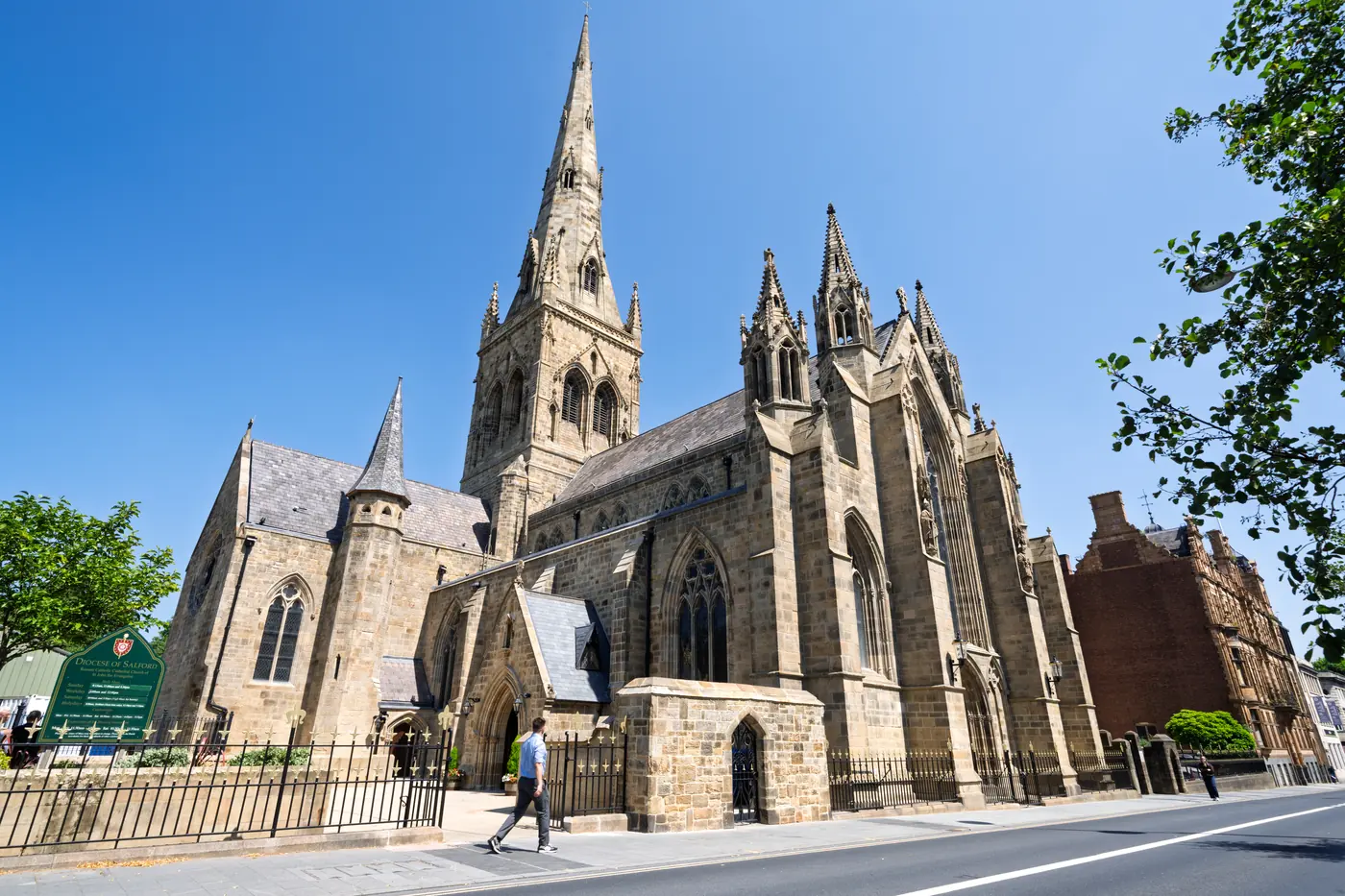
At Salford Cathedral in northern England, this became impossible to ignore.
Photograph courtesy of the Diocese of Salford.
The cathedral was built in the 1840s, long before anyone designing a church would have been asked to calculate its carbon footprint. By the time a major restoration began, the building was suffering from water ingress, poor insulation, inefficient heating and lighting, high energy costs and inadequate facilities.
The Diocese of Salford had meanwhile committed itself to reaching net zero by 2038. The restoration therefore presented a question larger than how to preserve an important historic building. “Our original project ambition was to repair, conserve and sustain,” the cathedral team explains, “creating what we hoped would become one of the most sustainable cathedrals in the United Kingdom.”
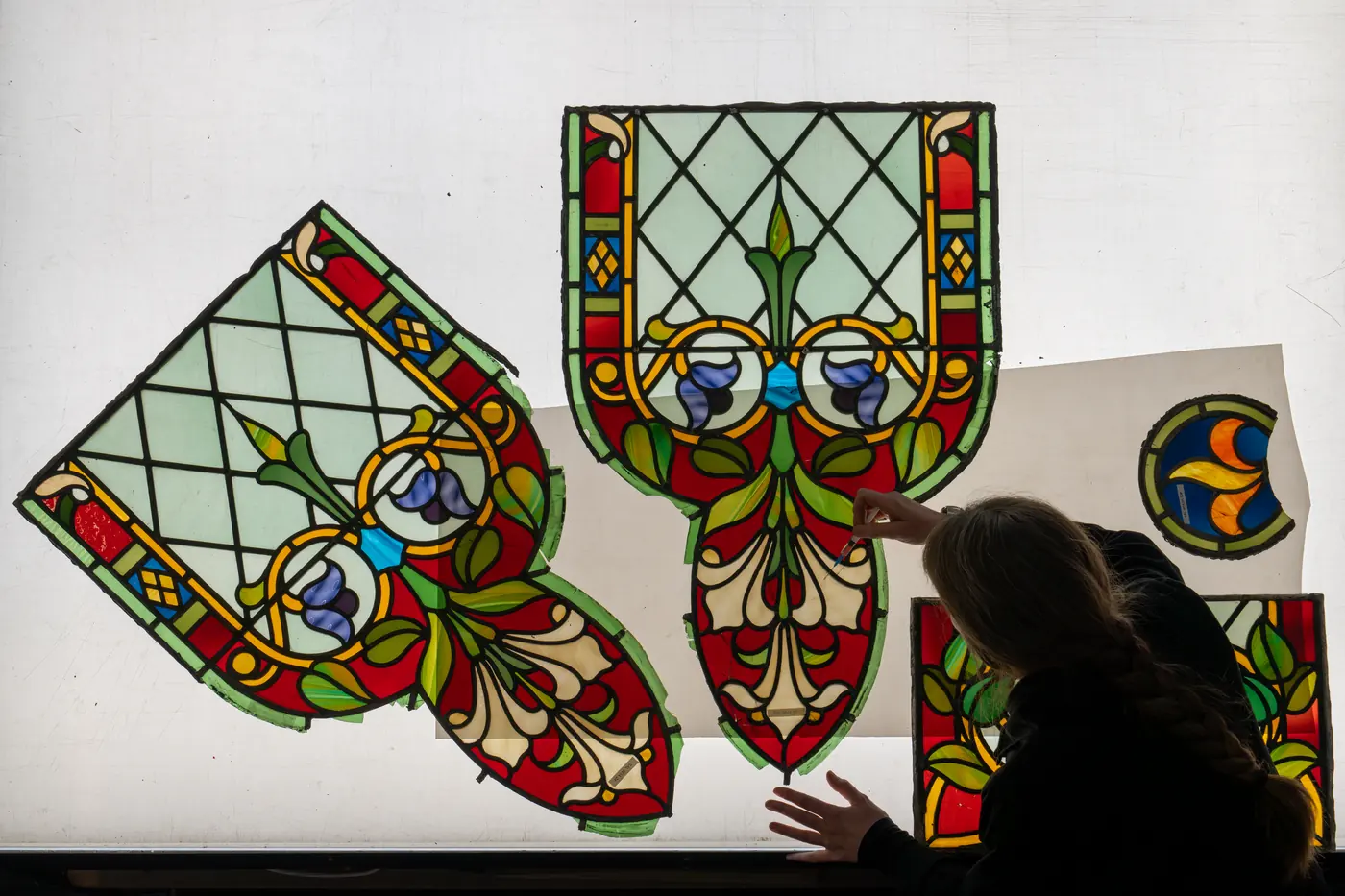
The restoration touched almost every hidden system that makes a building habitable: the roof above worshippers, the floor beneath them, the glass between the sanctuary and the weather. Insulation was added where the historic structure allowed it; secondary glazing protected stained glass while reducing heat loss; rainwater and drainage were reconsidered; construction waste was closely managed. Much of the ecological work was designed, quite literally, to disappear into the building.
The restoration also did not go according to plan.
The cathedral had hoped to draw heat from the aquifer beneath Salford. On paper, the idea belonged neatly inside a net-zero future. In practice came boreholes, approvals, cost and the stubborn limitations of a nineteenth-century structure. Even the roof could not carry all the insulation the team would have preferred.
Sustainability, they discovered, was not the art of imposing the perfect solution. It was the slower work of asking what this particular building could bear and what could be prepared now for whoever comes next.
“Start with a clear vision and recognise that sustainability is a long-term journey rather than a single project,” the team advises other faith communities. “Understand your building thoroughly and focus first on improving the fabric: keeping water out, improving insulation where possible, and reducing energy loss.”
That advice is not only architectural. It is also pastoral.
The cathedral team found that people responded most when sustainability was not presented as an independent technical agenda, but connected to the building’s purpose. The project was protecting a sacred place, conserving its history and making it viable for generations who had not yet entered it.
Sustainability became part of a larger narrative about stewardship, responsibility and safeguarding a sacred place for future generations rather than just technical updates.
Inside the restoration
-
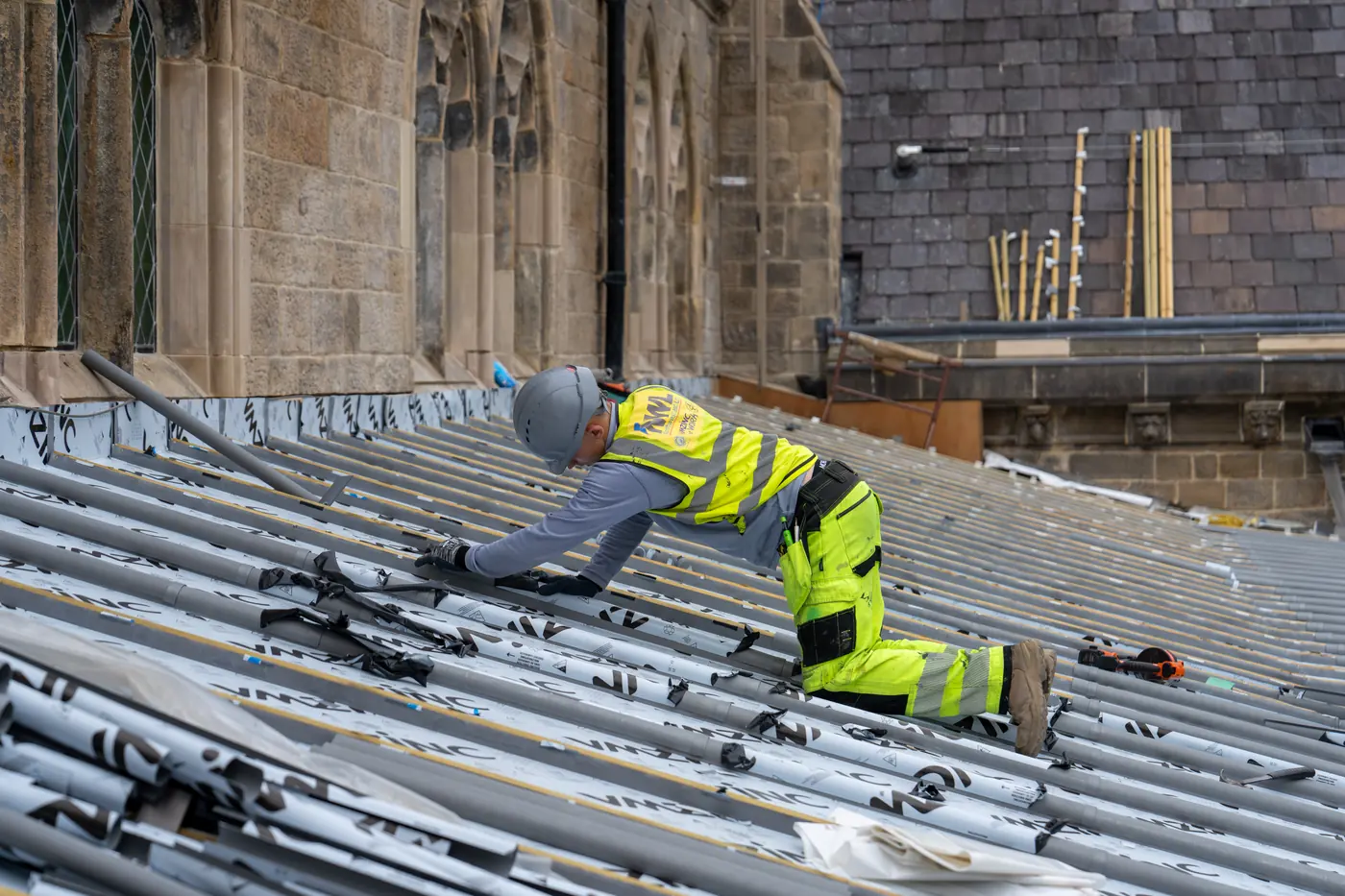
01 Re-roofing above the nave, July 2025. -
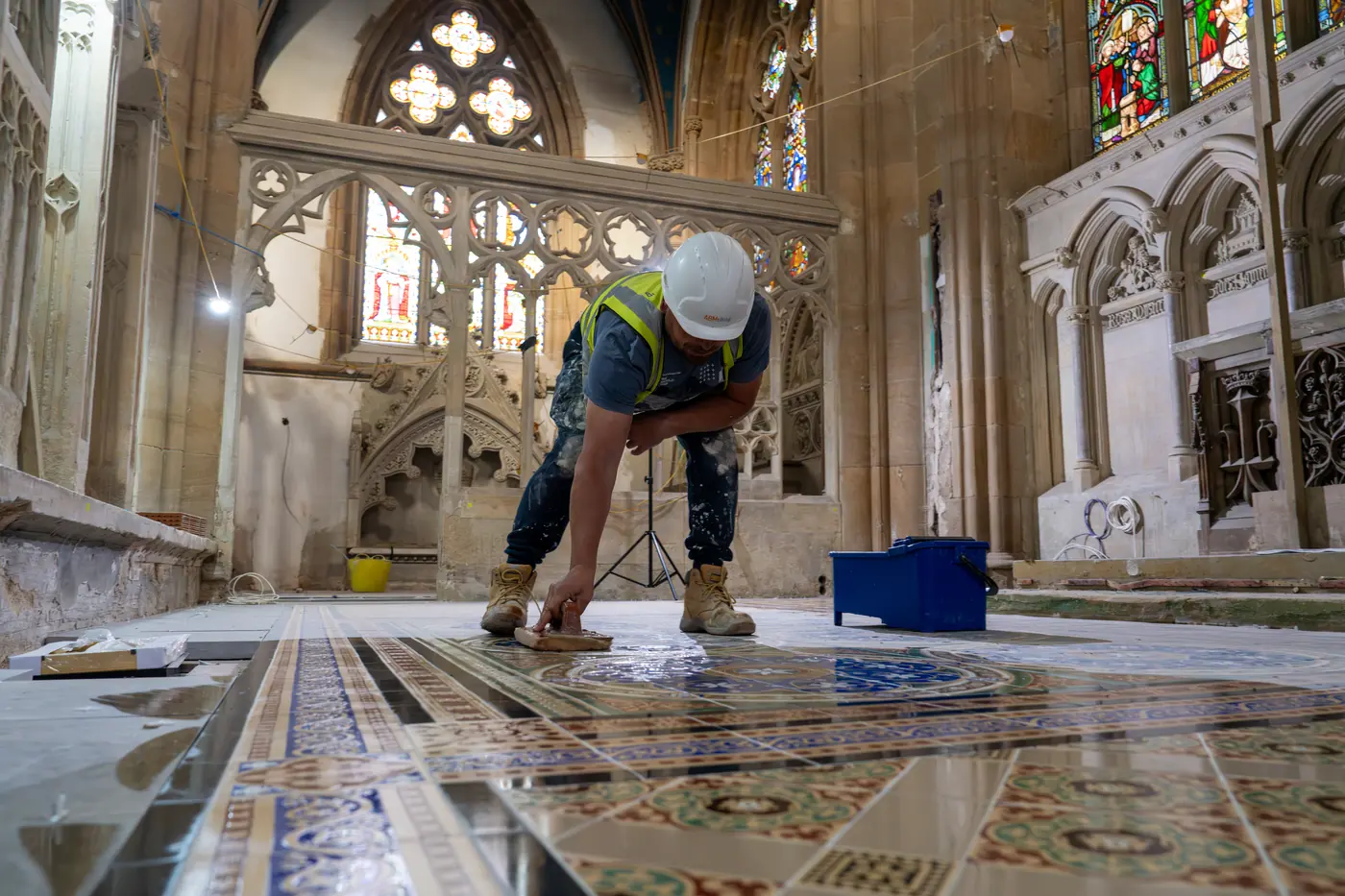
02 Restoring the cathedral floor. -
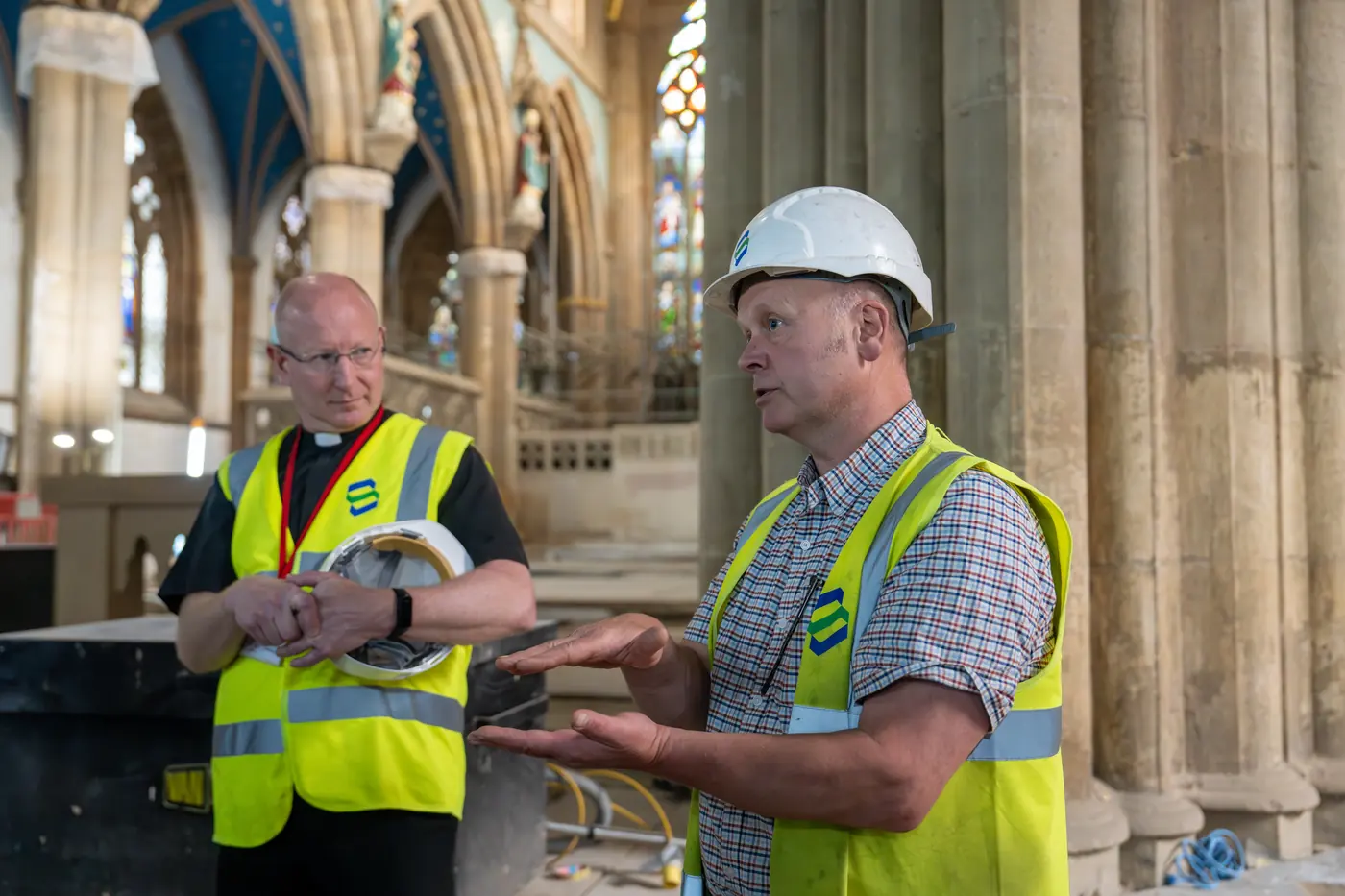
03 Neil Moss, project manager at Simpsons York, with Canon Michael Jones, Cathedral Dean. -
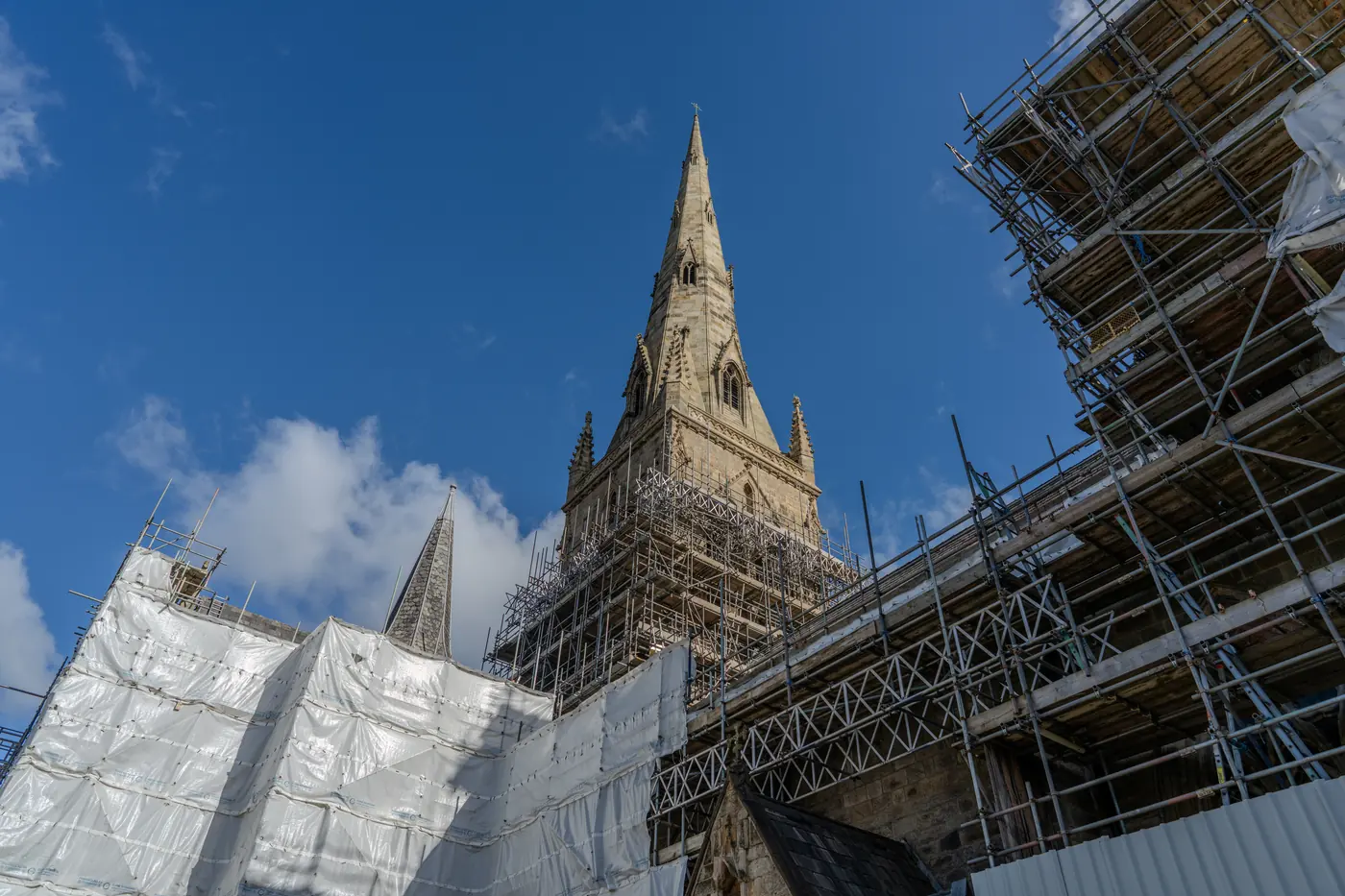
04 The spire under scaffolding during the restoration.
Photograph courtesy of the Diocese of Salford.
On the other side of the world, the Diocese of San Carlos in the Philippines was confronting a very different building problem.
There was no nineteenth-century Gothic roof to insulate. The immediate concerns were rising electricity consumption, rapidly increasing power costs and frequent interruptions to the electrical grid.
The Bishop’s Home and St. John Mary Vianney Seminary had already been early adopters of renewable energy. Rooftop solar systems were installed in 2018, when Bishop Gerardo Alminaza was among the Philippine Church leaders publicly advocating a transition away from fossil fuels. Eight years later, however, the original systems had become too small for buildings whose electricity use had more than doubled.
So in 2026, the diocese rebuilt the systems.
At the Bishop’s Home, 108 solar panels now cover substantial areas of the green roof, connected to hybrid inverters and battery storage. At St. John Mary Vianney Seminary, another 48 panels feed a separate hybrid system. The project presentation shows the contrast clearly: aerial photographs taken before installation show broad, uninterrupted roofs; afterward, those same surfaces have become part of the buildings’ energy infrastructure.
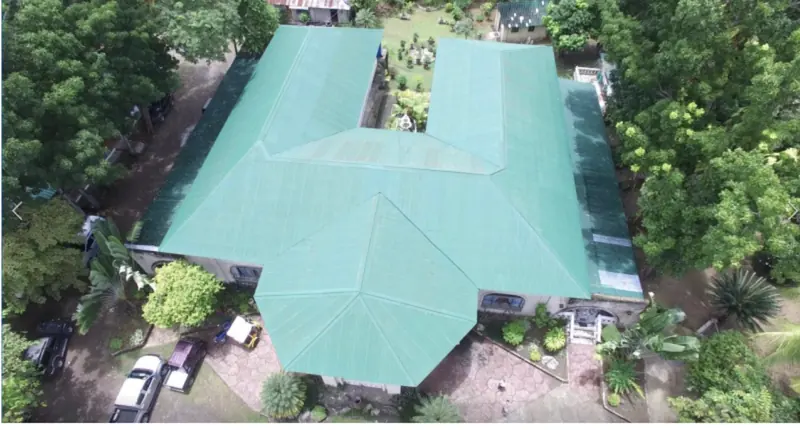 Before
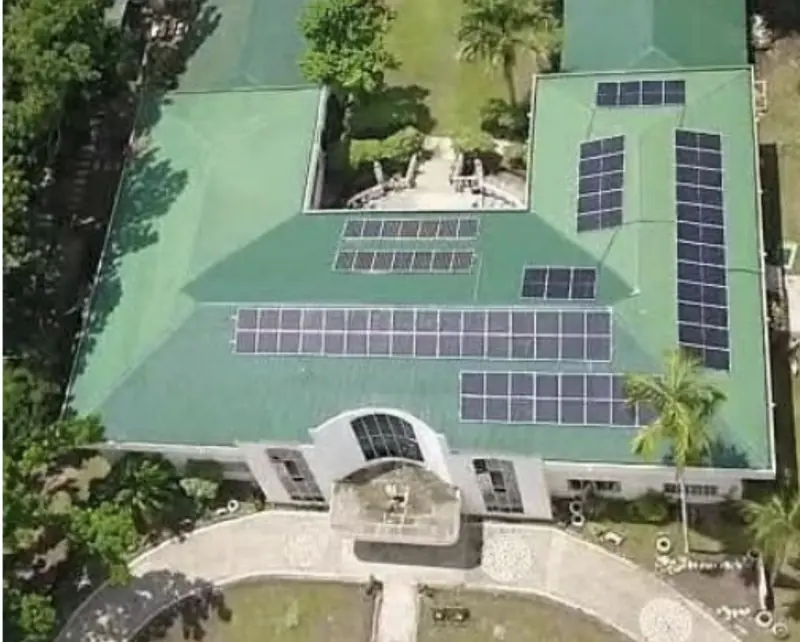 After · 2026
Power after the sun goes down
The new hybrid system at the Bishop’s Home does more than generate electricity during daylight. Battery storage allows solar energy to keep serving the building when sunlight fades or the electrical grid becomes unreliable.
In the first days after activation:
- 40% of electricity was supplied directly by solar panels
- 31% came from stored solar energy in the batteries
- 29% came from the electrical grid
Early operating data from the Bishop’s Home following activation of the 2026 system. These figures represent an initial snapshot, not a long-term performance average.
For Daniel Del Rosario of WeGen Energy Philippines, however, the more revealing part of the project is not the panels.
It is how long they had to wait for them.
For more than two years, the proposal waited. Then a German development partner helped connect the diocese with financing from the Archdiocese of Cologne. The arrangement contained an unusual idea: San Carlos would repay the money without interest, but those repayments would remain in the Philippines to help another Church institution make its own transition.
“One church helping another church in solidarity and synodality,” Del Rosario calls it. The hope is that one investment can become the financial beginning of another, and then another. The buildings remain local. The responsibility is shared.
This matters particularly in San Carlos because Bishop Alminaza’s ecological leadership had long been associated with public advocacy. Del Rosario recalls his opposition to proposed coal-fired power plants at a time when renewable energy was often dismissed as too expensive to provide a practical alternative.
Today, he argues, that calculation has changed. “The time has come that beyond advocacy for renewable energy and protest against fossil fuel—it is time for application, for action,” he says, “and let the rooftop panels do the talking.”
Let the rooftop panels do the talking.
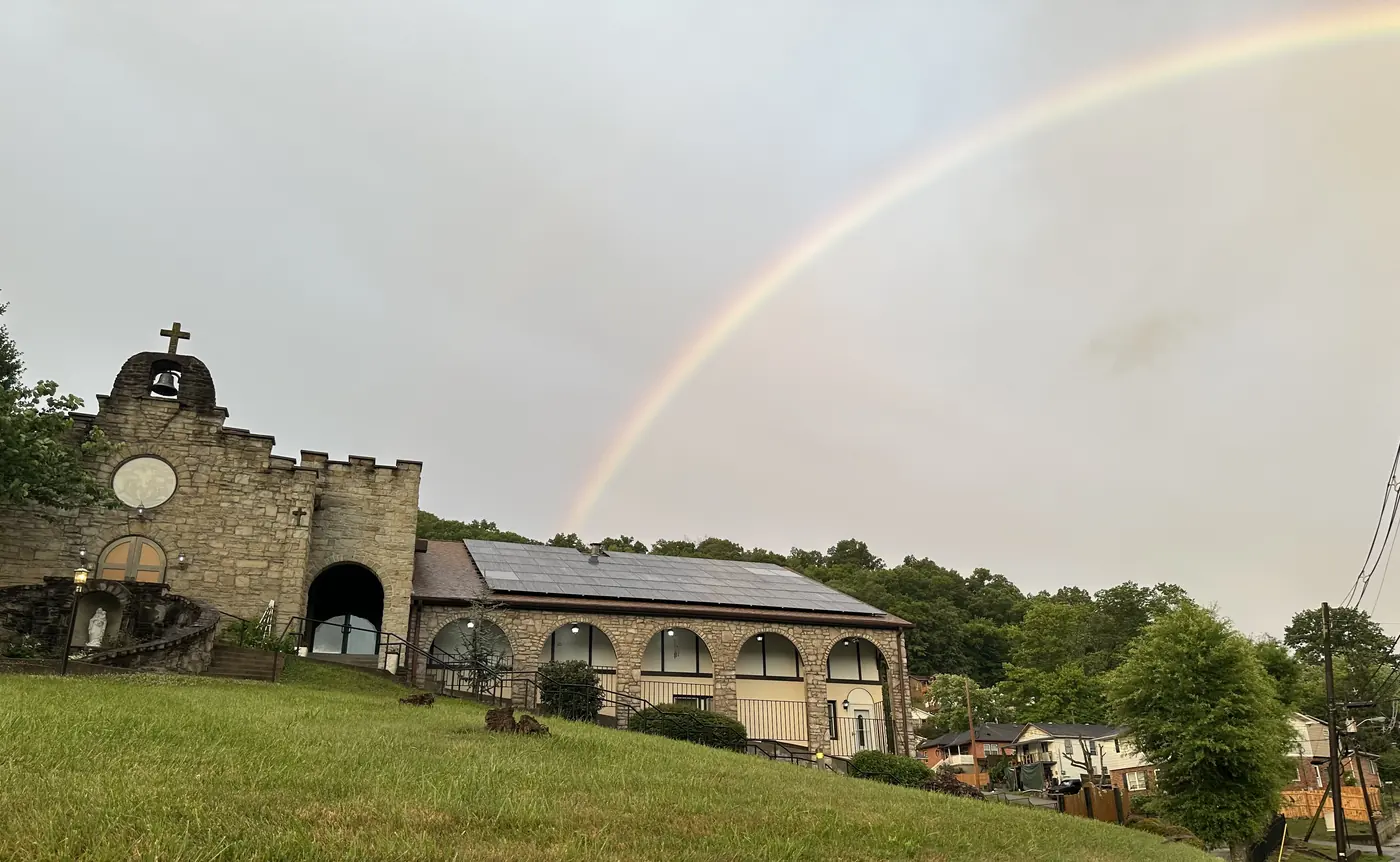
Sometimes, the panels make a quieter argument.
Mother of Good Counsel Catholic Church, Hazard, Kentucky.
In Hazard, Kentucky, that argument arrived in the form of an electricity bill. One of the last bills Mother of Good Counsel Catholic Church received before its new solar system came fully online was nearly $1,600.
The church itself dates to 1939 and was substantially remodeled in 2006. In 2025, the parish began seeking diocesan approval for another change to the building: 142 solar panels distributed across the church, office space and guest house. Lori Helfrich, the parish’s Parish Life Director, remembers strong support from parishioners and from Bishop John Stowe as the project moved forward. But there was also an increasingly practical reason to act. Electricity rates had risen significantly several times in five years, making the cost of simply maintaining parish life harder to ignore.
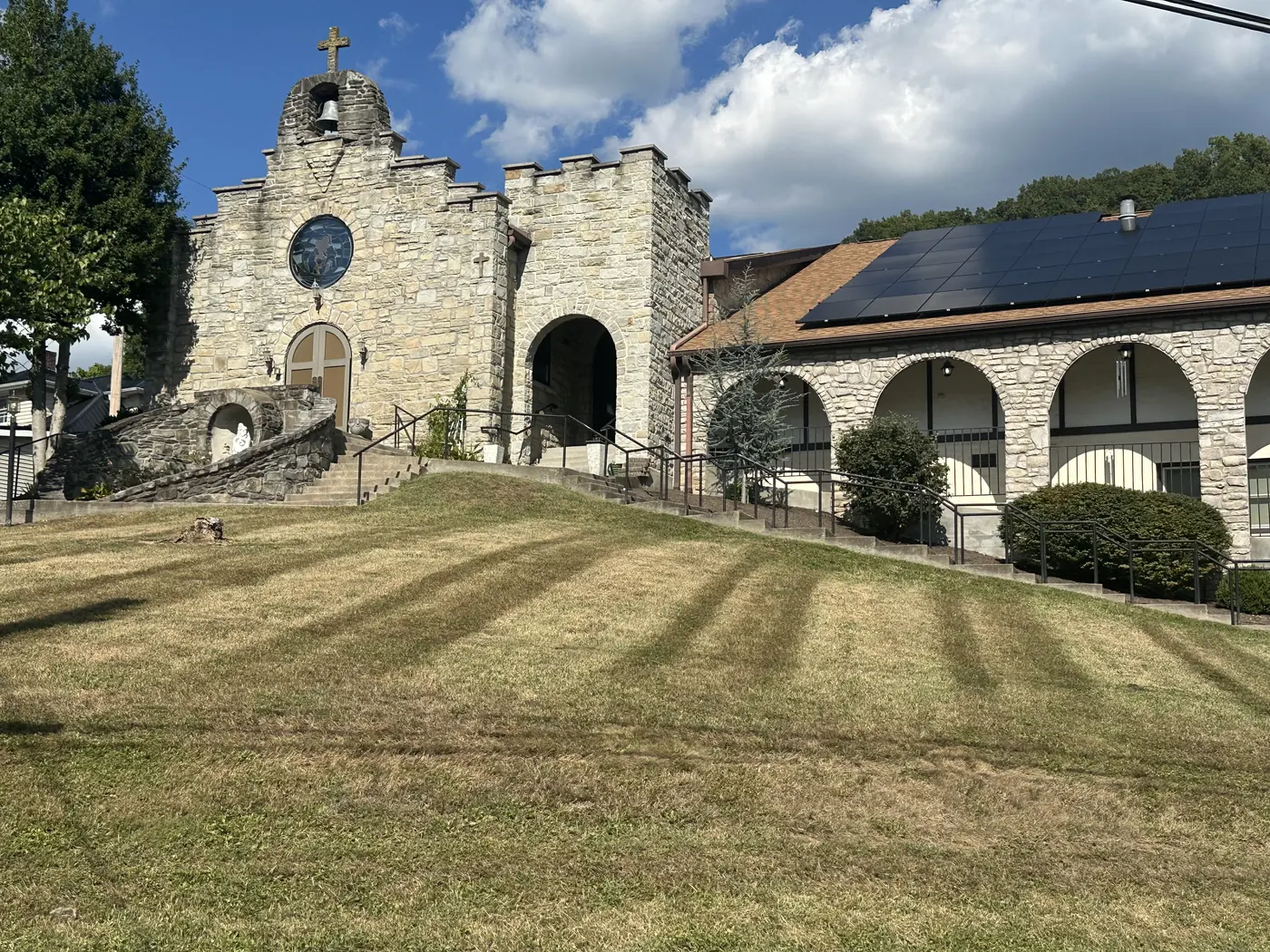 Today, with rooftop solar
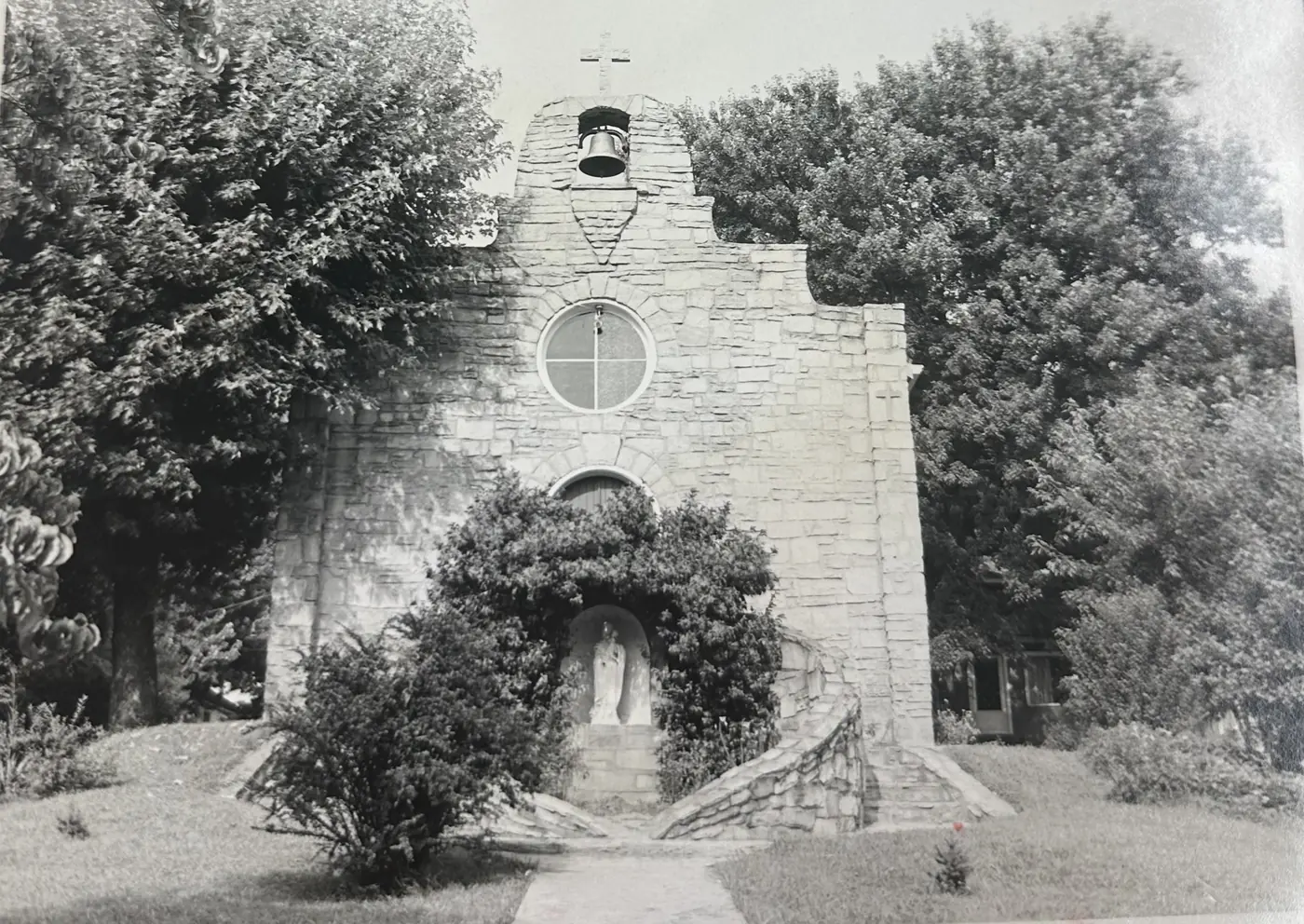 From the parish archive
The monthly electricity bill
Figures reported by Lori Helfrich, Parish Life Director. An early snapshot rather than a long-term performance record.
-
nearly $1,600
Before the system came fully online
One of the last bills the parish received before its new solar system came fully online.
-
around $400
Partial solar coverage
With the system operating at only partial solar coverage, the bill fell to around $400.
-
$70–80
Full system online
The next two monthly bills were between $70 and $80. The panels were producing roughly 30 to 40 percent more electricity than the parish was using.
The first bills made the difference unusually visible. With the system operating at only partial solar coverage, the parish’s bill fell to around $400. Once the full system was online, Helfrich says the next two monthly bills were between $70 and $80. During those first months, the panels were producing roughly 30 to 40 percent more electricity than the parish was using. The figures are still an early snapshot rather than a long-term performance record, but for Helfrich, their meaning is already pastoral as well as financial.
“Installing the solar helps to make the parish more sustainable in the long term,” she explains, because money no longer absorbed by electricity can help cover “other utilities, programs, and facility upkeep,” while the parish also reduces its environmental impact.
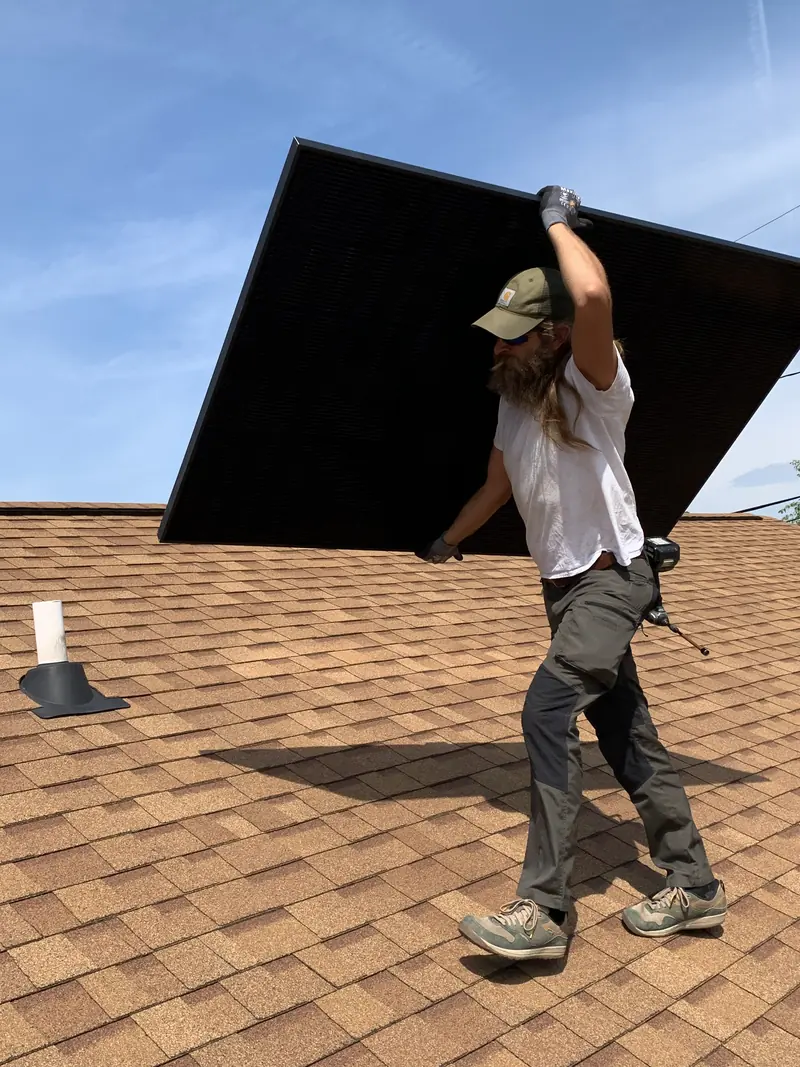
For a parish, that distinction matters. An electricity bill competes with everything else a community is trying to sustain. Saving energy is therefore not separate from keeping programs running, maintaining buildings or making room in a limited budget for ministry. In Hazard, the roof has begun doing some of that work itself.
The same calculation takes on another dimension in Karachi, Pakistan where the resources protected by lower energy costs help support work far beyond the walls of the building itself.
Caritas Pakistan Karachi works from its diocesan office while supporting community development, emergency relief and social-welfare programs. Keeping that work running requires electricity, and rising tariffs make the cost of simply operating an institution harder to separate from the cost of its mission.
In August 2026, Caritas installed solar panels at the office. Mansha Noor describes the decision in both economic and spiritual terms: reducing dependence on conventional electricity while bringing the institution’s daily operations into closer alignment with Laudato Si’.
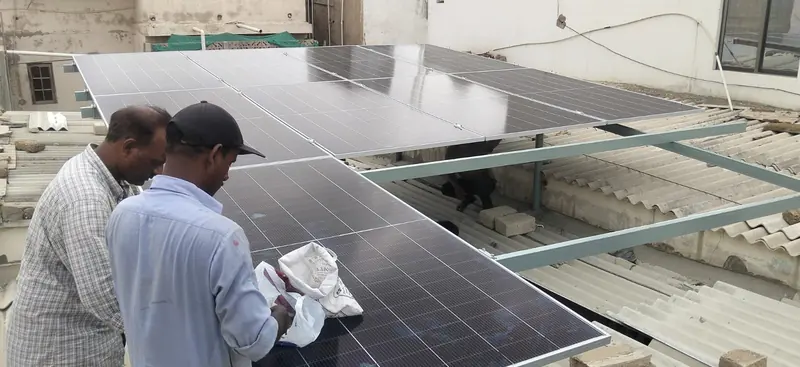
For him, the electricity bill is not merely an administrative expense. Money no longer absorbed by energy costs can remain available for the communities Caritas exists to serve. In that sense, the solar panels do not sit beside the mission. They help protect the resources that make the mission possible.
The installation is still new, and its long-term financial effect will take time to measure. But people are already paying attention. Parish leaders and visitors have begun asking whether similar systems could work in their own institutions. That possibility matters because institutional change often spreads this way: one building makes a different choice, others see that it is possible, and a technical decision becomes something another community can imagine for itself.
As Noor puts it, translating Laudato Si’ into the physical life of an institution requires “strong institutional leadership, a clear long-term vision for cost-efficiency, and viewing sustainability not as an added expense, but as an investment in our shared mission.”
What the walls make possible
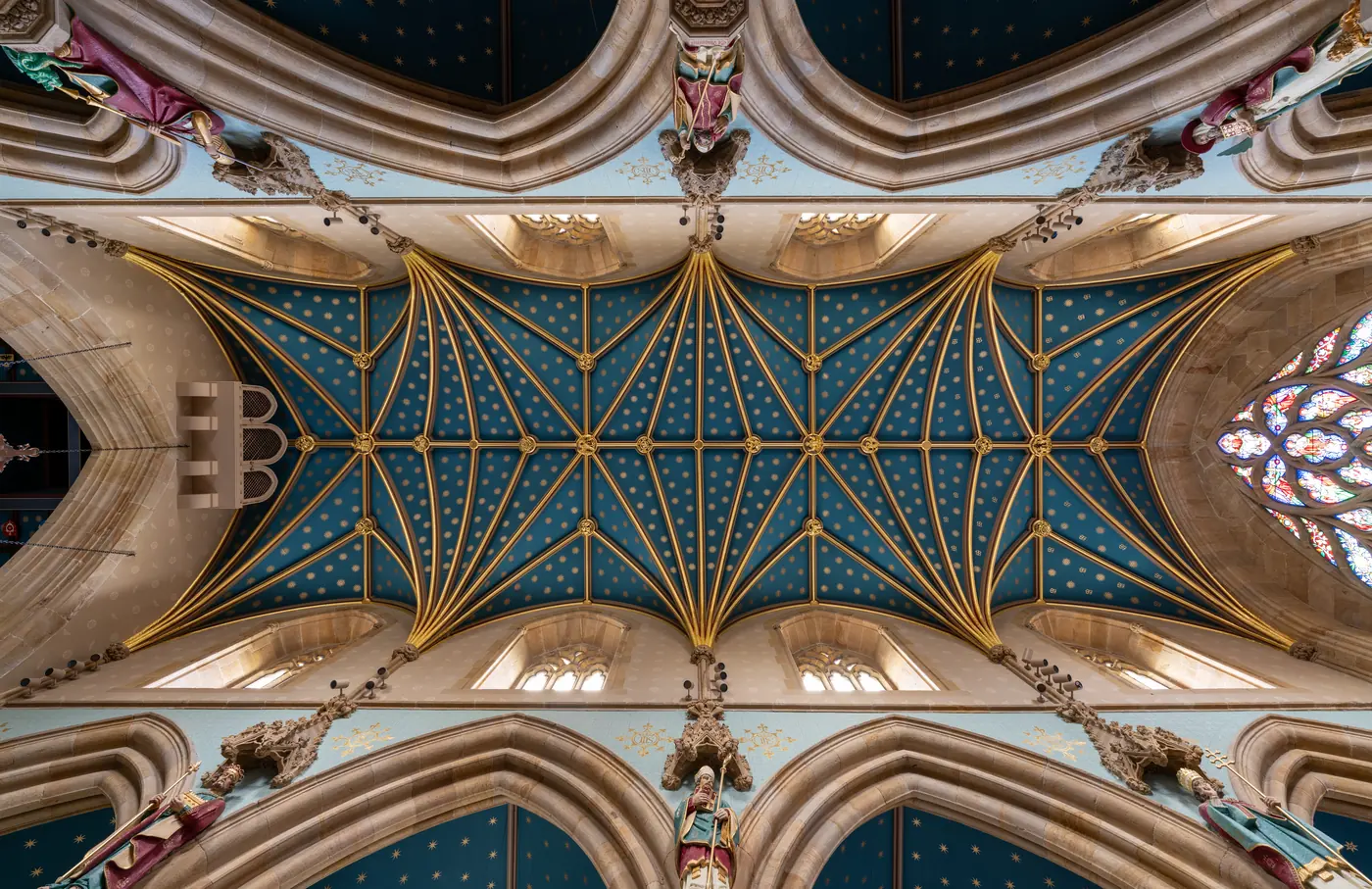
In Salford, after the scaffolding comes down and the systems disappear back into the fabric of the cathedral, most people will not think about insulation, drainage or carbon payback. They will enter. They will pray beneath the roof. Light will fall again through the stained glass. The building will hold warmth a little better. Someone will come in carrying grief, another gratitude, another a child by the hand.
The same is true, in different ways, in San Carlos, Hazard and Karachi. Electricity keeps a seminary functioning after dark. In Kentucky, an early monthly bill of nearly $1,600 has fallen below $100 during the first months of full solar coverage. In Karachi, lower energy costs can protect resources for relief and service. A roof can become part of the energy system that sustains the ministry happening beneath it. Keeping the lights on is both literal and pastoral.
Perhaps this is what St. Francis understood before he understood anything else. Rebuilding the Church began with what was already in front of him: stone that needed lifting, walls that needed repairing, a place where people could gather again.
The Church is more than its buildings. But buildings make room for much of what the Church does: prayer, formation, welcome, worship, shelter, service. Caring for them well means asking not only how long they can stand, but what kind of life they can sustain—and what we will leave to those who enter after us.
To rebuild a church may still begin with the walls. But perhaps the measure of the work is what those walls make possible: prayer beneath a roof, light for the work still to be done, and a community able to keep serving long after we are gone.
The vault of Salford Cathedral. Photograph courtesy of the Diocese of Salford.
Signature stories · Five years of the Laudato Si’ Action Platform
Keep reading
-
 The Same Bottle
What becomes visible when the same ordinary object passes through different hands.
-
 What the Land Asks of Us
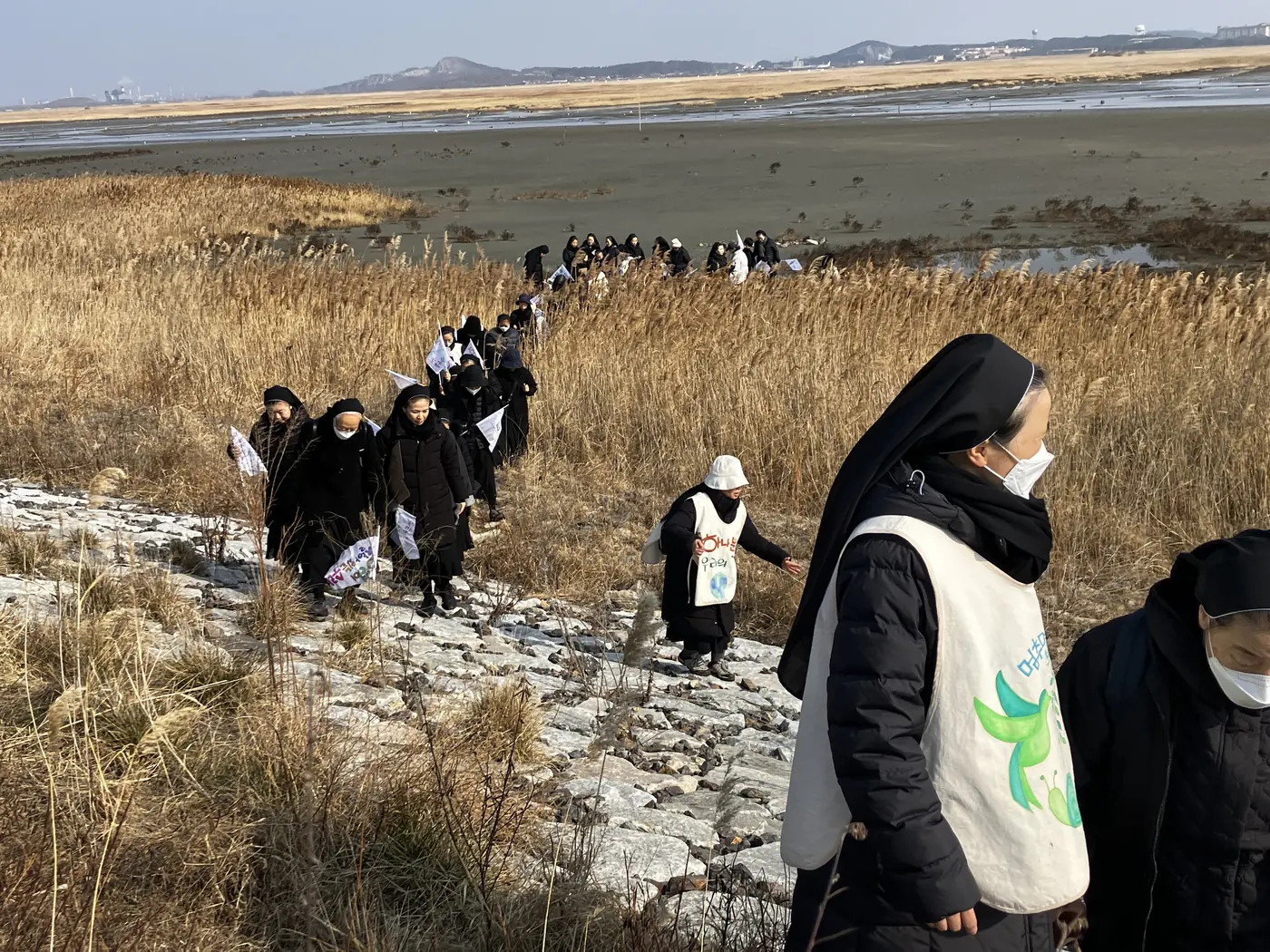
River, tidal flat and soil — three places close enough to change the people who stay with them.
-
 What We Pass On
A family inheritance of faith, land and care.
-
 After Everyone Goes Home
Planting a tree can take minutes. Growing one asks for water, hands, institutions—and sometimes a horizon longer than a human life.
From the Laudato Si’ Action Platform annual report. Celebrate five years with us →