
-
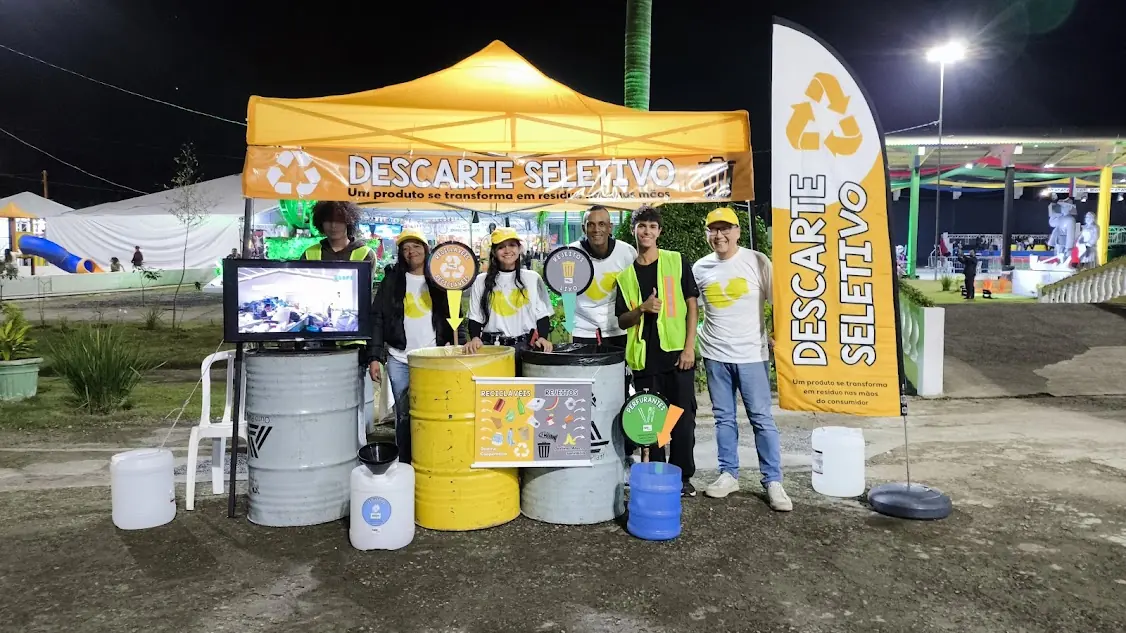 Flavio · São Paulo
-
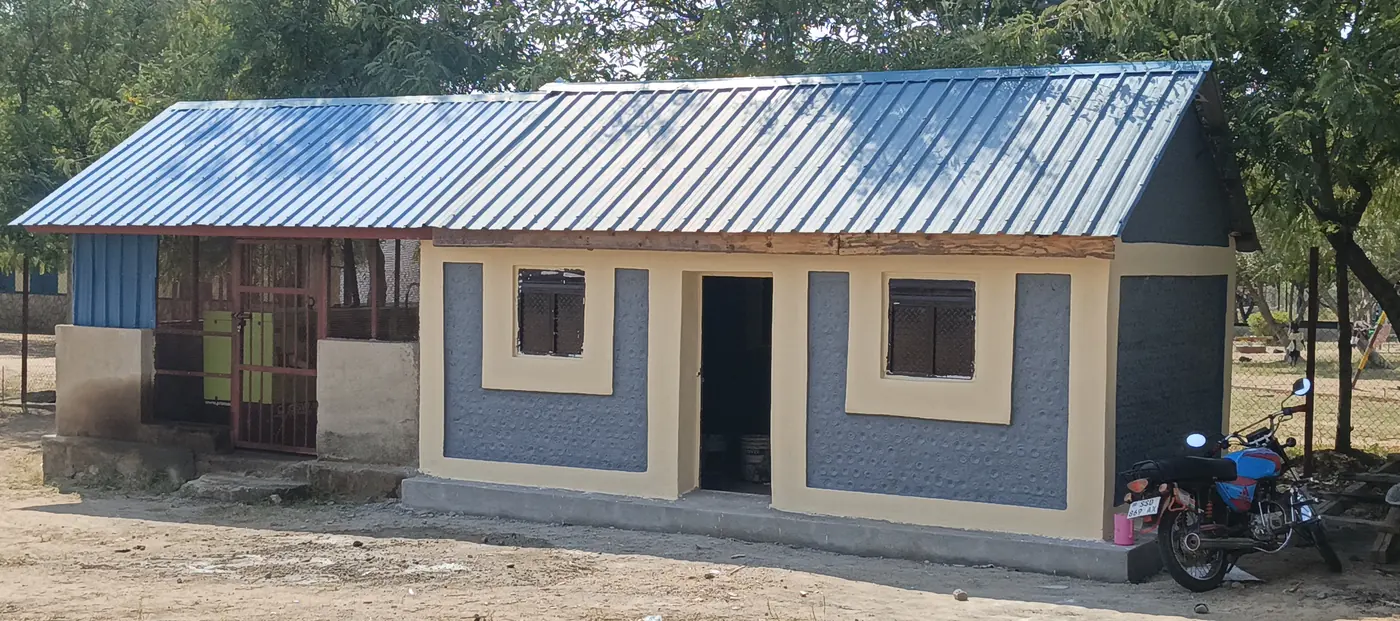 Ugalla · Juba
-
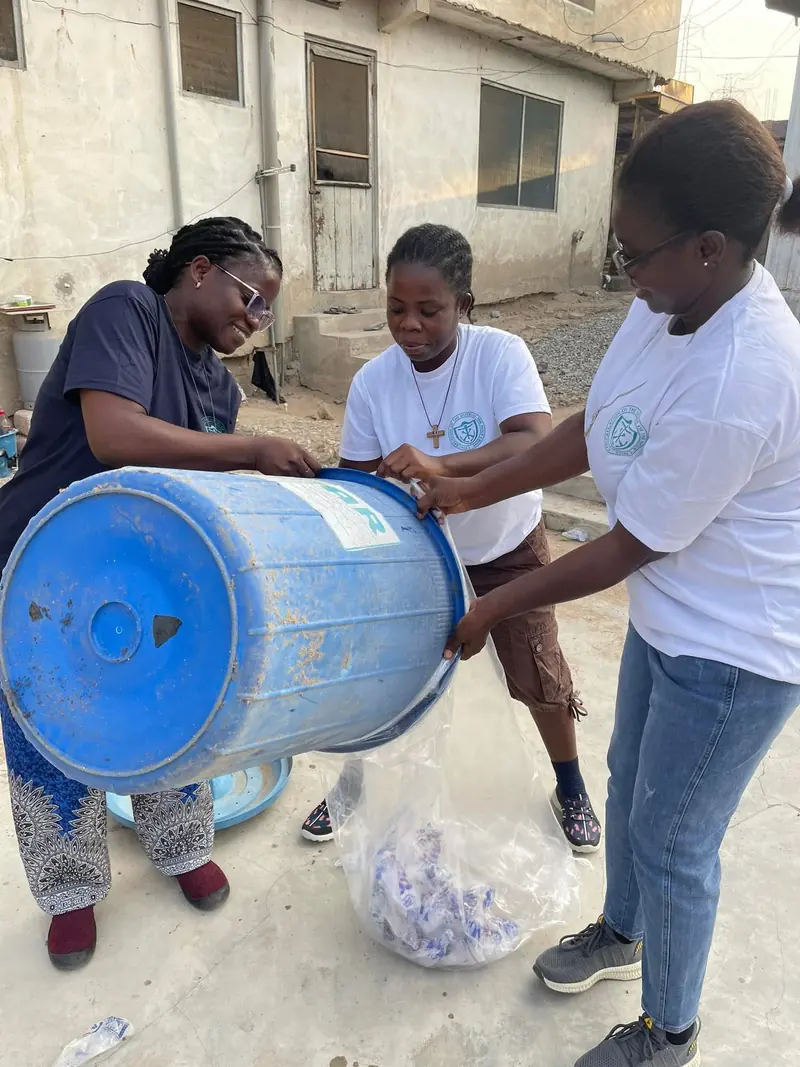 Sr. Comfort · Accra
-
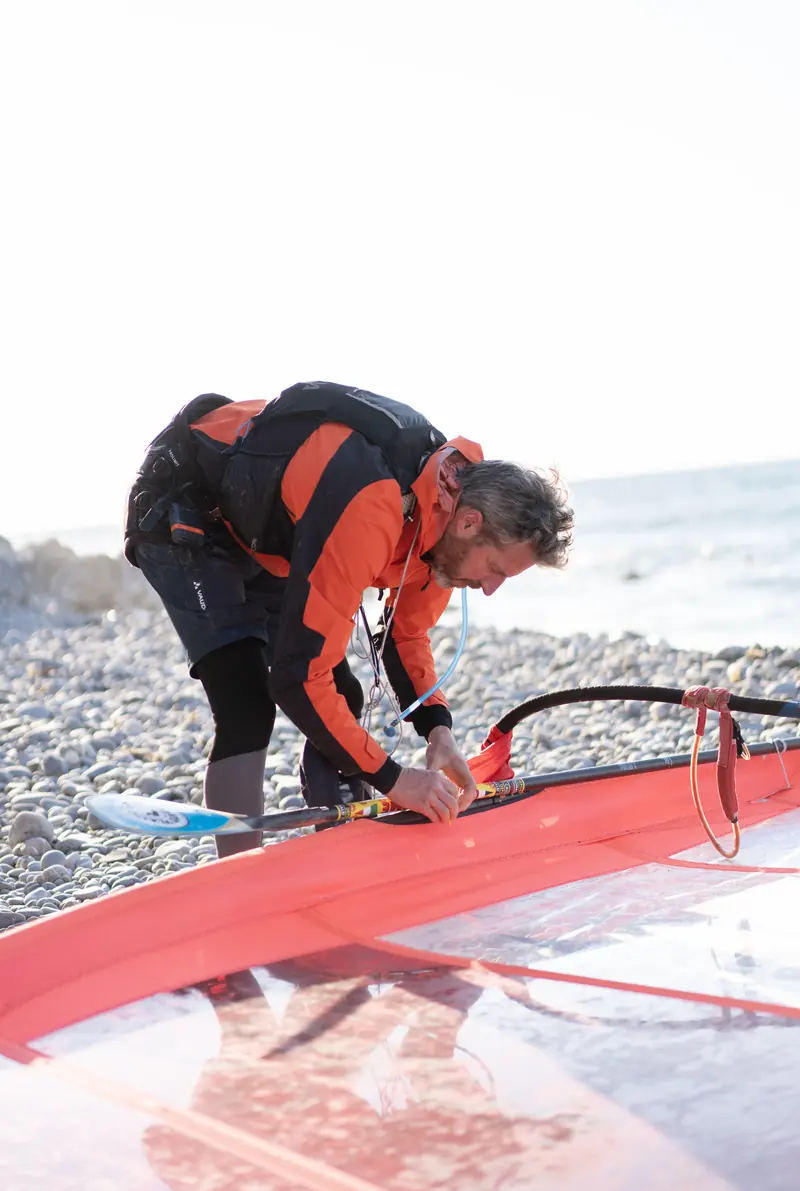 Merijn · North Sea to Rome
Signature story 03 · One object, four people, five years
The same bottle.
What becomes visible when the same ordinary object passes through different hands.
Photographs courtesy of Descarte Seletivo, the Juba project team and SOAR; Merijn Tinga © Angela de Vlaming.
“For me, that is precisely the moment when true environmental education begins.”
Flavio Nakaoka is talking about a moment most people would barely register: the few seconds it takes to throw something away.
At the Festival do Japão in São Paulo, Brazil those seconds can become unexpectedly complicated. A visitor approaches a waste station carrying the remains of lunch—perhaps a plastic bottle, a tray, some broth, a napkin and a pair of chopsticks. Four receptacles wait in front of them: recyclables, rejects, liquids and sharps. Nearby, an environmental educator may be trying to help.
After several years of watching this happen, Flavio has started recognizing certain personalities. There is the person in a hurry, eager to get everything out of their hands. The distracted person, who never notices the instructions. The person who wants to cooperate but still chooses the wrong container. And then there is the meticulous visitor who reads every sign and might ask whether even a toothpick needs to go with the sharps.
What interests Flavio is the hesitation.
He calls it a brecada—a little brake in an otherwise automatic gesture. “The change in behavior happens when we can make the person stop for a few seconds and reflect on what they are doing with that waste,” he says. “It is the instant when the waste stops being simply something we want to get rid of and begins to be recognized as a material that needs an appropriate destination.”
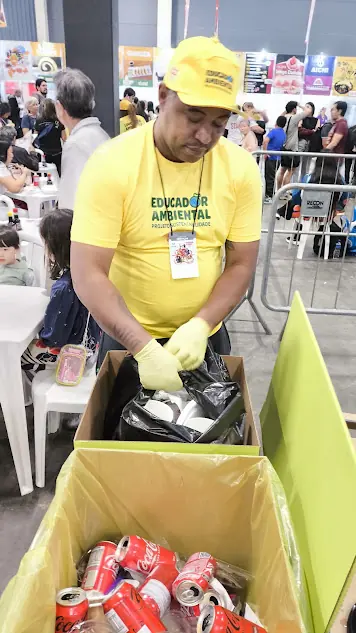
When the Laudato Si’ Action Platform (LSAP) first documented Flavio’s work in 2023, the experiment was relatively modest. At a Japanese-Brazilian festival receiving roughly 3,000 to 5,000 visitors a day, he placed five large recycling bins in the food courts and created separate containers for chopsticks, skewers and other waste. Three years later, the idea had expanded enormously. The 2026 Festival do Japão in São Paulo drew approximately 135,000 people over three days and used 96 selective-waste stations.
Success has made the problem more interesting, not less. Providing containers is relatively straightforward. Changing behavior is harder. Environmental educators standing beside the stations help enormously, but employing them is costly. Volunteers tend to prefer reception or event-production jobs. As Flavio puts it with some amusement, “nobody wants to be ‘the garbage collector for a day.’” He is now experimenting with stronger visual signals and other inexpensive ways to create that moment of hesitation without requiring a person beside every bin.
For Flavio, then, an empty plastic bottle is partly a decision. Its next life depends on whether someone pauses long enough to recognize that there is a decision to make.
A bottle filled with sand holds a wall up.
A bottle house in Juba. Photograph courtesy of the project team.
For me, the real value of an eco-brick is that it connects environmental protection with human dignity.
Ugalla lives in Juba, South Sudan, where plastic bottles accumulate for reasons that have little to do with the convenience of buying a drink at a festival. Access to safe water is difficult, so bottled water fills an essential need. His project materials estimate that more than a million bottles can be discarded in the city each day. At the same time, durable housing remains unaffordable for many families; some rely on traditional grass-thatched tukuls that may last only a few years before needing to be repaired or rebuilt.
For years, the Salesian community outside Juba and people working alongside it have been making those two problems meet.
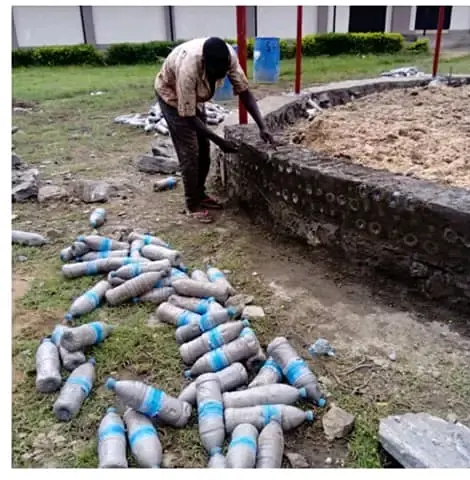
Discarded bottles are collected and packed tightly with sand until they become firm enough to function as “eco-bricks.” Women and families can earn money preparing them. Young builders inspect them, transport them to construction sites and incorporate them into walls and foundations. Cement eventually covers the bottles. In a finished room, almost nothing announces what the wall contains.
When the Platform first shared the project in 2024, the clear story was the ingenuity of the material itself: a bottle had become a brick. Two years later, Ugalla speaks more about what happened around those bottles.
More than 12,000 were collected for Mama Sivila’s home. Other housing projects followed. A 16-square-meter bottle house model uses approximately 9,264 bottles, and Ugalla says an initial phase of ten houses used 92,640 bottles, provided homes for more than 100 people and generated income for 150 women. Young masons gained employment and practical experience through the construction.
Ugalla knows personally why practical skills matter. “Poverty affected my education,” he says. “There were times when I had to work on construction projects to help put food on the table.” His engineering studies ended after four terms, but the knowledge he acquired through working remained with him.
That history helps explain why he has little interest in environmental action that exists apart from people’s immediate lives.
It is not enough simply to collect bottles. We need to create livelihoods, train people, solve real problems and demonstrate that environmental protection can improve people’s lives.
The work has not progressed as quickly as he once imagined. Ugalla is candid about that too. Financing is limited; equipment and operational resources remain difficult to secure. Ambitions for classrooms and other community infrastructure are still developing. But those constraints have become part of what the work has taught him. A recycled material alone does not make a project sustainable. People have to be able to build a life around the response.
What happens when responsibility rests on too few?
Nearly 5,000 kilometers away, in Ghana, Sr. Comfort Arthur, CSC, has arrived at a related lesson from another direction. The Platform first encountered her work in May 2024, when she participated in the webinar Voices of Faith and Hope: Global Catholic Religious in the Heart of Climate Action. Two years later, her experience with Sisters Organising and Advancing Recycling (SOAR) raises another question about sustainability: not only whether an environmental initiative can grow, but whether it can endure when the person most committed to it is no longer the one carrying it.
Passion is important for beginning a ministry, but passion alone is not enough to sustain it.
Sr. Comfort is both a Sister of the Holy Cross and a public-health professional. Those two parts of her life have trained her to see a discarded bottle, or “plastic sachet”, in more than one perspective. Waste is an environmental problem, but it is also a health problem. It affects sanitation and drainage. Someone has to collect and sort it. That work has economic value. Children learn habits around it. Communities inherit the consequences.
SOAR began in 2021 with a comparatively simple response: collect plastic. By August 2026, the ministry reported collecting more than 137 metric tons, including approximately 111 tons of sachet plastic and 26 tons of bottles.
But Sr. Comfort describes the five-year change differently.
“We have moved from simply ‘collecting waste’ to seeing waste as an environmental, health, educational, and economic issue.”
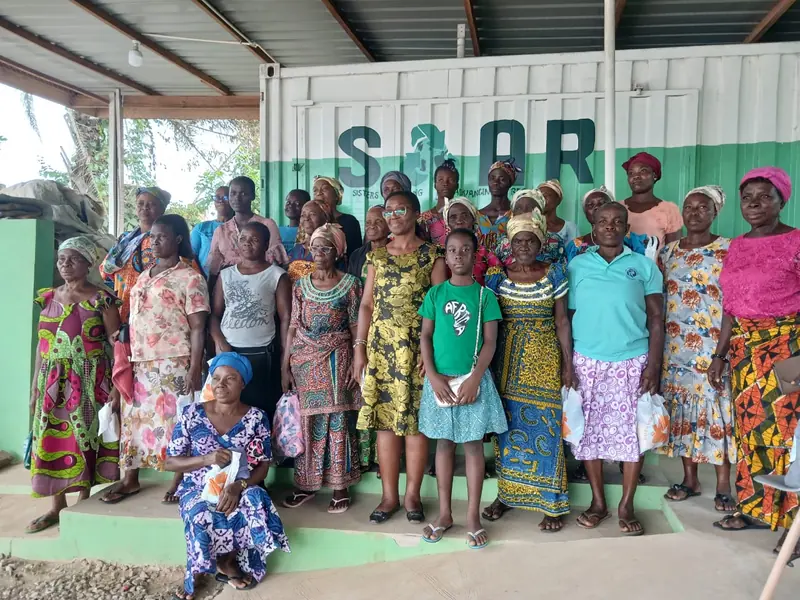
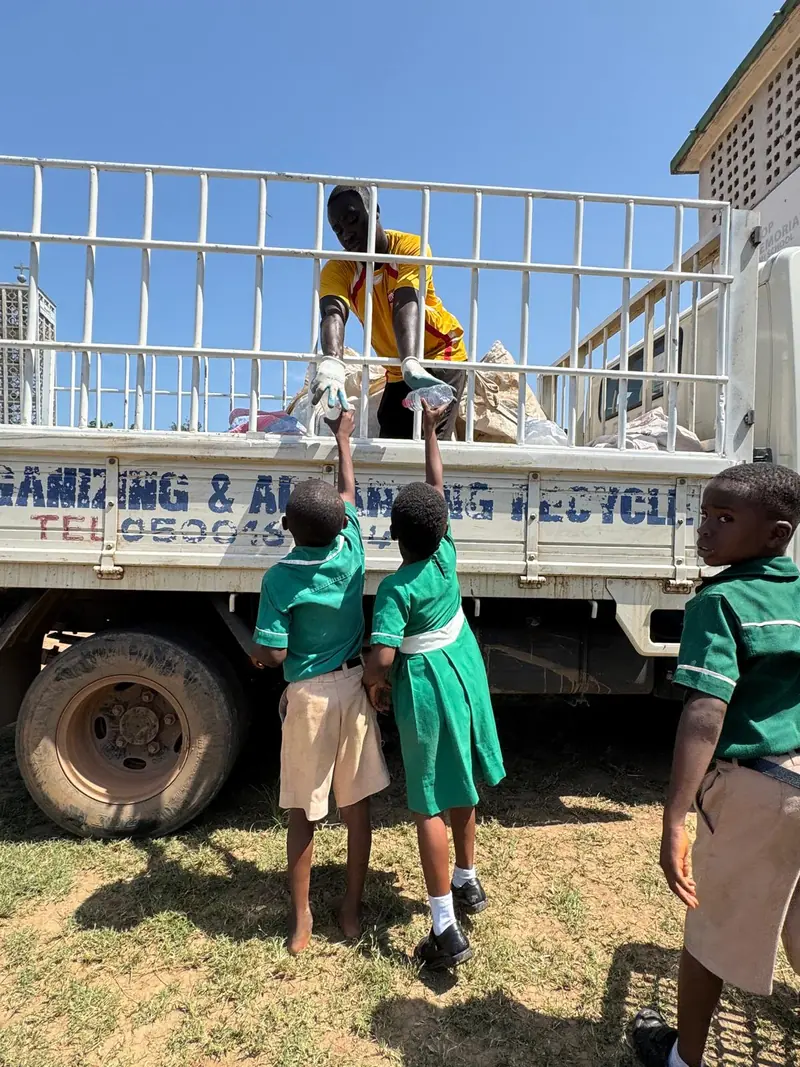
Women waste pickers now work with SOAR and receive wages for their labor. Schools have formed SOAR Clubs, involving teachers and students in ecological education. Young people volunteer and intern. Sisters and lay partners share the work. The recycling site itself has become a place for sorting, education, training and community relationships.
The evolution also forced a question that was barely visible at the beginning: what happens if the person who cares most leaves?
“People change, leaders move, priorities shift, resources can be limited, and enthusiasm naturally rises and falls,” Sr. Comfort says. “If a ministry depends entirely on one person’s energy, it becomes vulnerable.”
SOAR began documenting responsibilities, developing policies and partnerships, involving other Sisters and lay collaborators, and creating spaces where students and teachers could become participants rather than simply recipients of environmental education.
Most importantly, I have learned that sustainability comes when people feel that the work belongs to them too.
Her reflection gives the bottle yet another meaning. A piece of waste may provoke someone to act, but eventually the more difficult question is whether that action can become shared enough to survive them.
The Platform encountered Flavio, Ugalla, and Sr. Comfort separately. Placed beside one another, however, their experiences begin to do something interesting.
Ugalla’s insistence that environmental work must create practical opportunity makes the wages of SOAR’s women waste pickers look less incidental. Flavio’s years of watching people fail to use perfectly good bins complicate the belief that infrastructure alone changes anything. Sr. Comfort’s experience raises the question of whether any of these responses can endure if responsibility remains concentrated in one unusually committed person.
They are not arriving at the same answer. They are making one another’s questions easier to see.
The bottles he did not find.
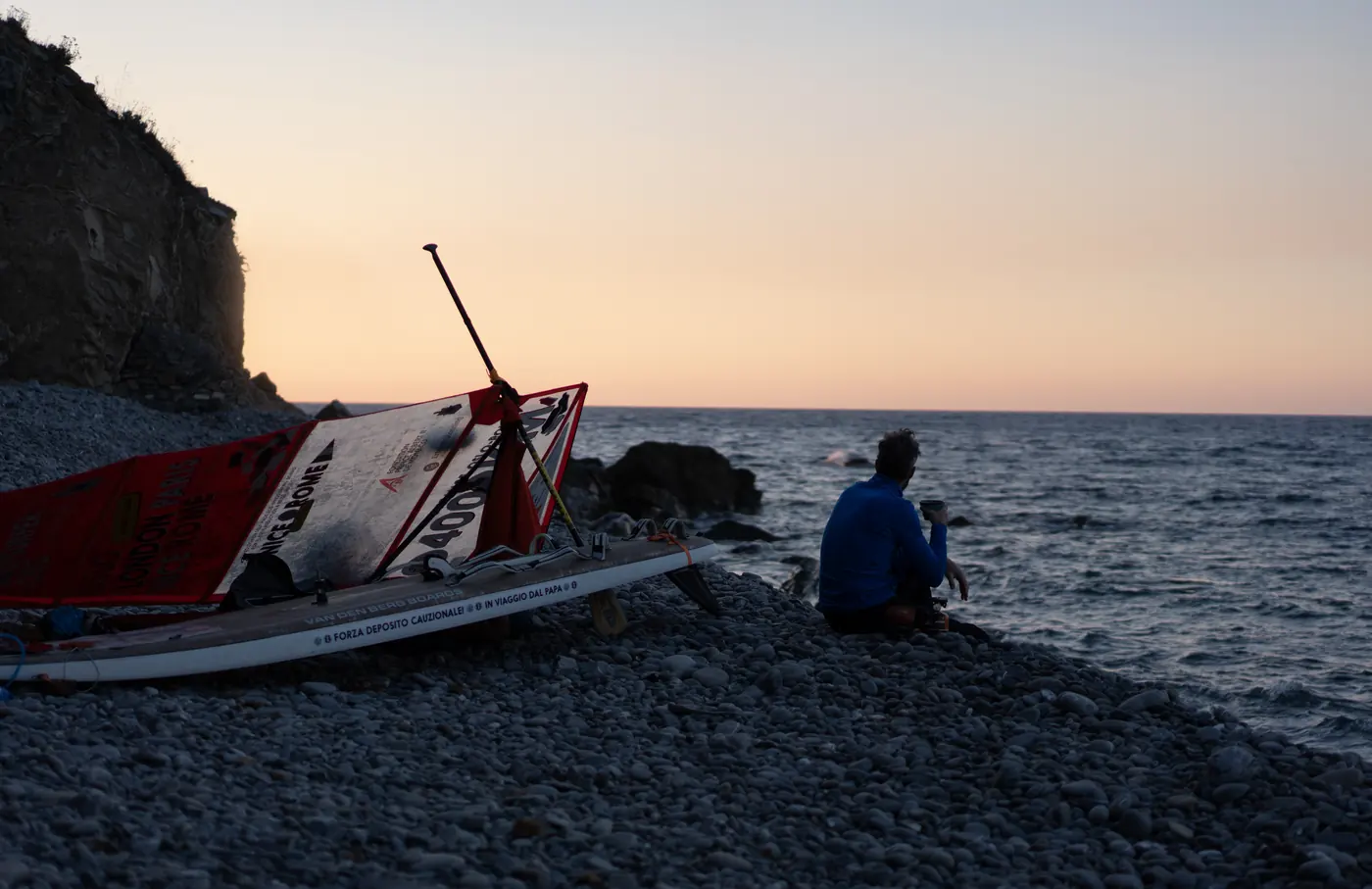
Merijn Tinga preparing the rig, Ligurian coast, 2026. Photograph © Angela de Vlaming.
And then Merijn Tinga enters the story carrying a bottle in the opposite direction. His first thought, when he began noticing plastic pollution, was not especially sophisticated. “This shouldn’t be here.”
Merijn is a Dutch biologist and surfer. Roughly a decade ago, on holiday in Sweden, he found Dutch and English plastic bottles washed ashore on a remote island. What interested him was not only what was there, but what was missing. He saw comparatively few Scandinavian bottles. Norway, Sweden and neighboring countries already had deposit-return systems: when someone bought a bottle, they paid a small additional amount and received it back when the container was returned.
The material was the same. The system surrounding it was different.
“I realised that I didn’t want to spend the rest of my life picking up bottles,” Merijn says.
He returned to the Netherlands and launched a campaign for a deposit system there. To attract attention, he built a windsurf board from plastic collected on local beaches and attempted to break a world record. More than 60,000 people signed a petition. The Netherlands eventually introduced deposits on plastic bottles in 2021, and Merijn reports that littered bottles subsequently fell by around 80 percent.
His campaign kept travelling. In 2023 he windsurfed from Oslo to the United Kingdom, carrying an English bottle he had once found in Sweden back toward the country where it had originated. Later stages brought him through Paris and Nice and, finally, to Rome. In 2026, after hundreds of kilometers at sea, Merijn met Pope Leo XIV.
“What stood out most was the time he took to genuinely listen,” Merijn recalls. “It was not just a formal presentation; there was a real exchange.” Then the Holy Father told him something Merijn had not expected: as a child, he too had collected bottles and returned them for deposits.
Merijn proposed installing a deposit-return machine in the Vatican store. The conversation continued beyond the meeting. But when he was later invited to consider the other stories gathered for this anniversary report, his answer moved back toward the bottle itself.
“A bottle that becomes a building material, a garden tool or something else suddenly has value again,” he says. “It reminds us that ‘waste’ is not an inherent property of a material.”
He admires the ingenuity. He also is wary of what admiration can conceal.
Local reuse, Merijn argues, can create livelihoods and solve immediate problems. But communities downstream should not be expected to invent increasingly creative uses for an endless supply of disposable material while nobody questions the decisions that produced it.
A plastic bottle is an extraordinary piece of technology. We manufacture a complex, durable material, fill it with something, transport it across the world and then expect the packaging to become worthless after perhaps twenty minutes.
The question he now wants to ask is not only what can be done once the bottle has become waste.
“Why was this bottle designed to become waste at all?”
Merijn’s question does not make the others naïve.
Ugalla’s family still needs a house now. SOAR will receive more plastic tomorrow morning. A visitor at the Festival do Japão still has to decide where the bottle in their hand goes.
One bottle, four ways of seeing it
The same object has travelled remarkably far without moving at all.
A bottle is a decision.
Festival do Japão · São Paulo
A bottle is a building material and a livelihood.
Gumbo · Juba
A bottle is a responsibility that must become shared if it is going to endure.
SOAR · Accra
A bottle is evidence of a system that could have been designed differently.
North Sea to Rome
Nor do these stories remain isolated.
Over the years, as experiences like these have been shared with the Laudato Si’ Action Platform, something becomes possible simply by placing them within sight of one another. When the Platform first wrote about Flavio in 2023, the story was about bringing selective waste collection into a festival. Today he talks about attention, human behavior and the cost of creating new habits. When bottle construction appeared in 2024, the extraordinary building material caught one’s eye; Ugalla now speaks just as urgently about employment, community ownership and the financial limits to scaling the work. SOAR began by collecting plastic and, five years later, Sr. Comfort is thinking about succession and institutional memory. Merijn began by picking something up from a beach and eventually found himself asking who wrote the rules that allowed it to end up there.
Years spent doing the work change what a person is able to see.
Seen through somebody else’s eyes
An empty plastic bottle makes such an unexpectedly useful object through which to view these communities. It is ordinary enough to disappear into the background of daily life. But held for a little longer—and seen through somebody else’s eyes—it begins to reveal the relationships around it: consumption and labor, waste and health, dignity and participation, habit and education, local ingenuity and global systems.
No one person sees all of those relationships at once. Together, they see more.
Merijn Tinga at dusk on the coast. Photograph © Angela de Vlaming.
Signature stories · Five years of the Laudato Si’ Action Platform
Keep reading
-
 Rebuilding Our Churches
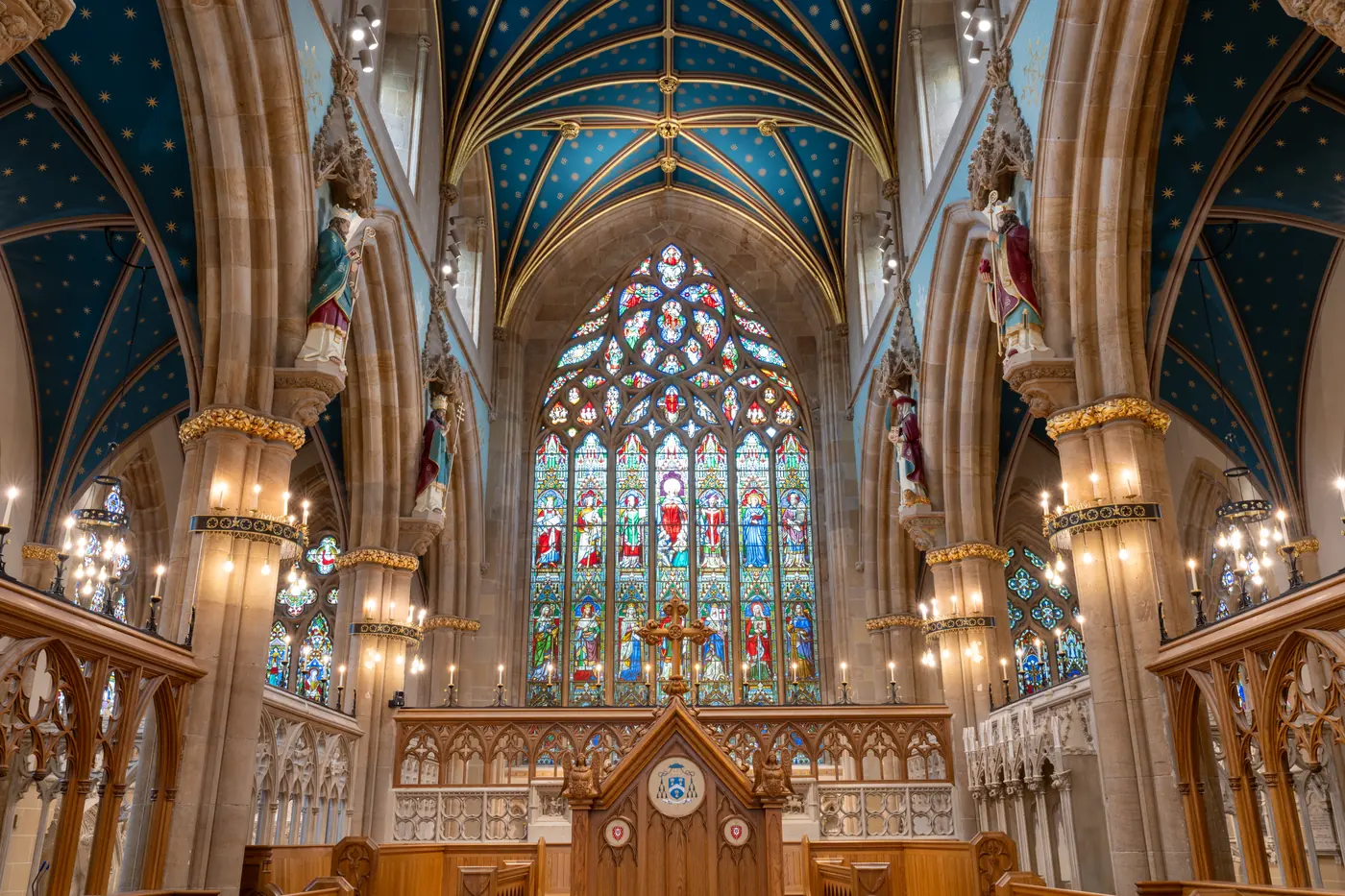
What does it mean to rebuild a church?
-
 What the Land Asks of Us
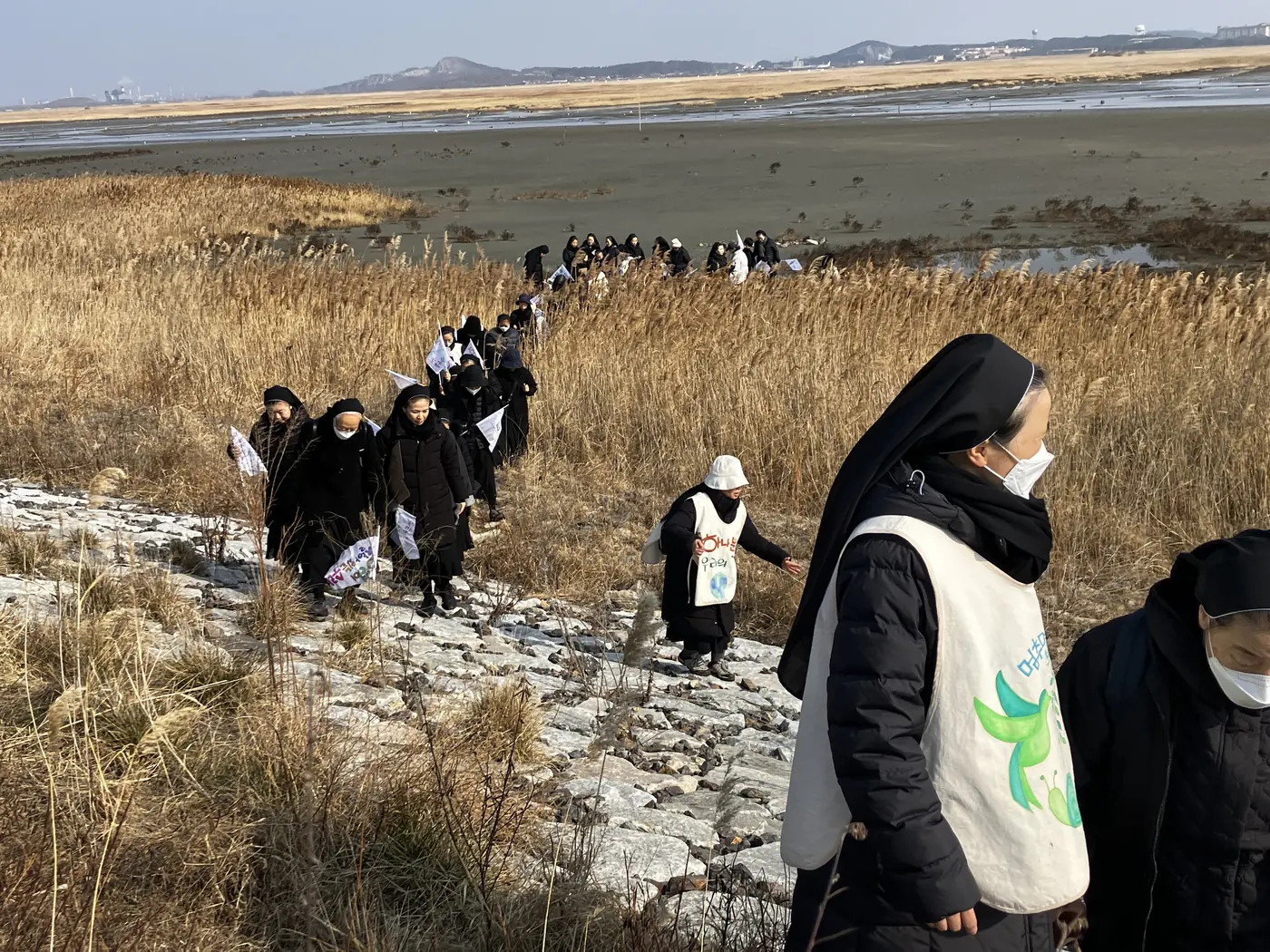
River, tidal flat and soil — three places close enough to change the people who stay with them.
-
 What We Pass On
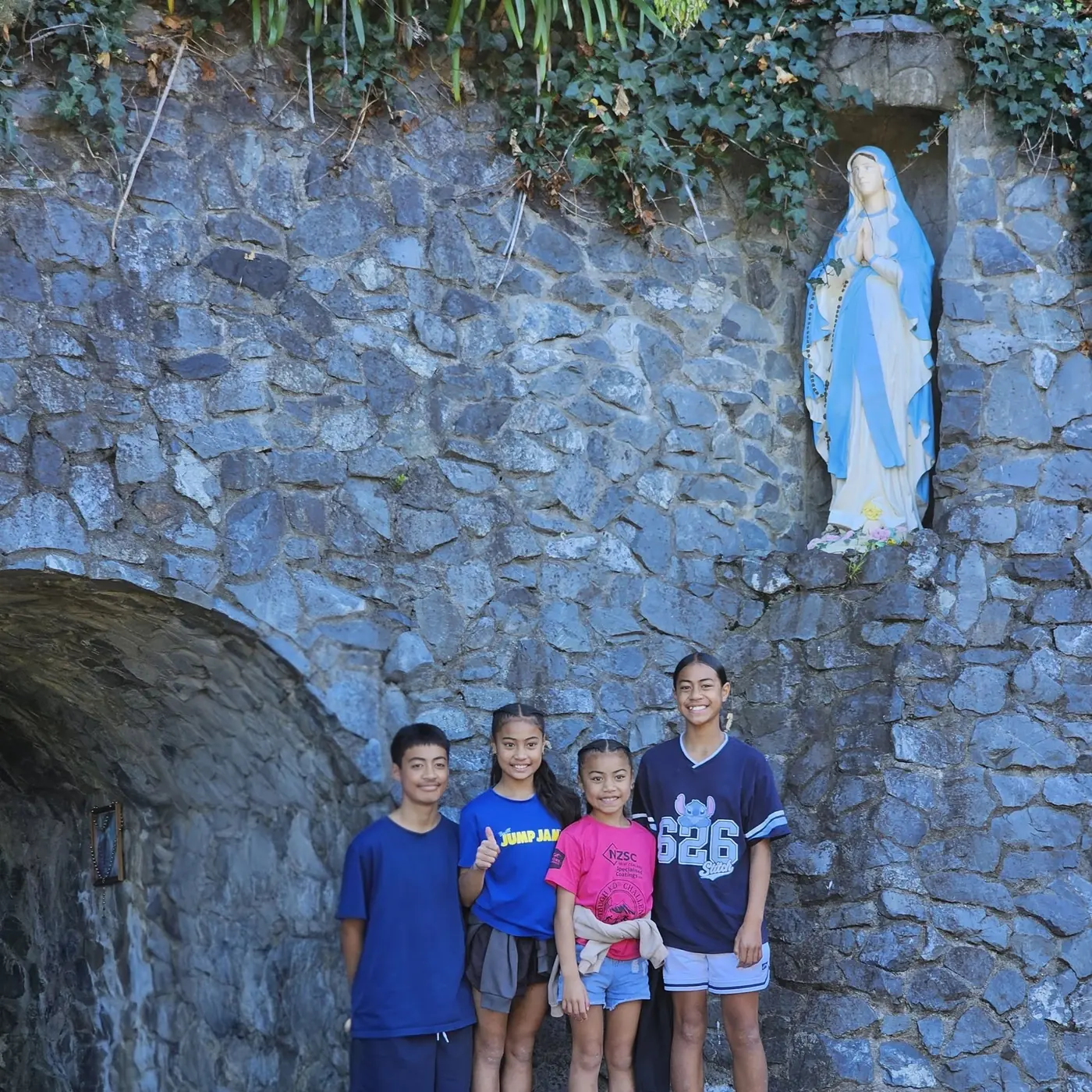
A family inheritance of faith, land and care.
-
 After Everyone Goes Home
Planting a tree can take minutes. Growing one asks for water, hands, institutions—and sometimes a horizon longer than a human life.
From the Laudato Si’ Action Platform annual report. Celebrate five years with us →