What Moved the Church in 2025: The Top 10 Actions That Are Shaping a New Ecological Culture
Posted December 23, 2025
Each year, the Laudato Si’ Action Platform invites Catholic communities across the world into a deeper journey of ecological conversion. But 2025 offered a particularly striking insight: the most common actions taken by participants reveal not only what people are doing—but how the global Church is learning, growing, and transforming its habits of life.
Our Annual Report 2024–2025 highlights the Top 10 Actions most frequently adopted by participants this year. While on the surface these may appear simple—“recycling,” “composting,” “buying local food”—the report stresses that something far more significant is taking place.
Collectively, these actions mark a cultural shift in the Catholic response to the ecological crisis, signaling that sustainable practices are becoming ordinary, expected, and embedded in daily discipleship.
A Closer Look at the Top 10 Actions of 2025
Participants most frequently adopted the following actions:
- Recycle as much as possible
- Buy food from local producers
- Install efficient lighting
- Reduce food waste
- Compost
- Plant native trees
- Transition diet from meat-based to plant-based
- Install solar panels
- Support cooperative management practices
- Make public statements about advocacy issues
These aren’t abstract commitments—they are practical expressions of ecological spirituality, ecological economics, and care for the poor.
Why These Trends Matter for the Catholic Church
1. They represent a shift from exceptional action to everyday practice.
These actions reflect accessible, routine behaviors that participants are integrating into ordinary life. This is crucial. Pope Francis long insisted that ecological conversion is not simply a change of ideas, but a change in daily habits and in the culture of communities.
In other words, the Church is moving away from one-off environmental gestures and toward a sustained ecological lifestyle.
2. They show a maturing ecological conscience within the Church.
Recycling, efficient lighting, composting, and reducing food waste indicate that Catholic communities are recognizing the importance of responsible resource use—a core theme of Laudato Si’. Meanwhile, actions such as planting native trees, installing solar panels, and adopting plant-forward diets show a deepening understanding of ecological systems and long-term sustainability.
3. They reveal a Church increasingly comfortable with public witness.
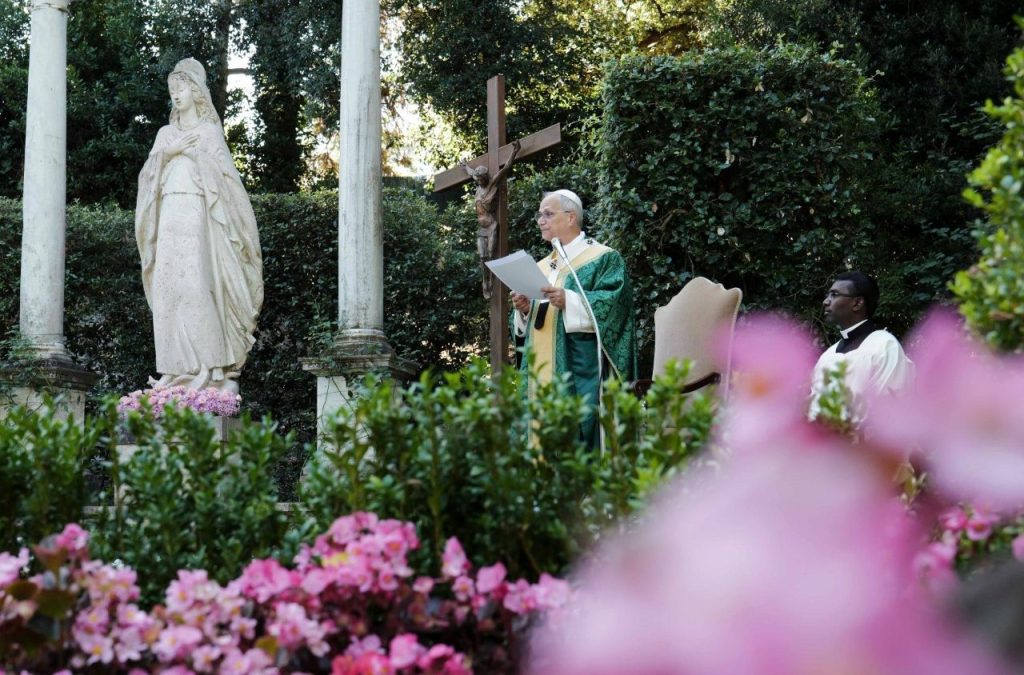
The inclusion of “make public statements about advocacy issues” among the Top 10 Actions shows that Catholics are increasingly ready to speak out. This trend has been strengthened by Pope Leo XIV’s clear moral leadership in 2025.
At the Raising Hope for Climate Justice conference, he reminded the world that each person and community will one day answer for how they cared for creation—an invitation to public responsibility. Likewise, during the Church’s engagement with COP30, he urged Catholics to bring their moral voice to global climate action, emphasizing that silence in the face of ecological harm is no longer acceptable.
These examples are inspiring Catholics everywhere to advocate boldly for policies that protect both people and the planet.
4. They affirm that ecological conversion is integral to Catholic identity.
The platform’s top actions reinforce what the Dicastery for Promoting Integral Human Development has repeatedly emphasized: care for our common home is not optional—it is a dimension of Christian discipleship.
This is especially important in 2025, the first year of the pontificate of Pope Leo XIV, who continues to affirm the legacy of Pope Francis and the urgency of ecological responsibility.
What These Trends Tell Us About Where We’re Going
The movement reflected in these top actions shows the Church is:
- Thinking globally and acting locally, with ecological responsibility taken up by local communities.
- Growing in practical wisdom, choosing actions that are both achievable and impactful.
- Moving toward integral ecology, where environmental, social, and spiritual dimensions are recognized as inseparable.
This signals the growth of a Church that is not merely responding to the ecological crisis, but proactively building a culture of care.
Looking Toward 2026: What We Can Expect
Based on the trends identified in 2025, we can reasonably project several developments for 2026:
1. A Rise in Community-Level Renewable Energy Projects
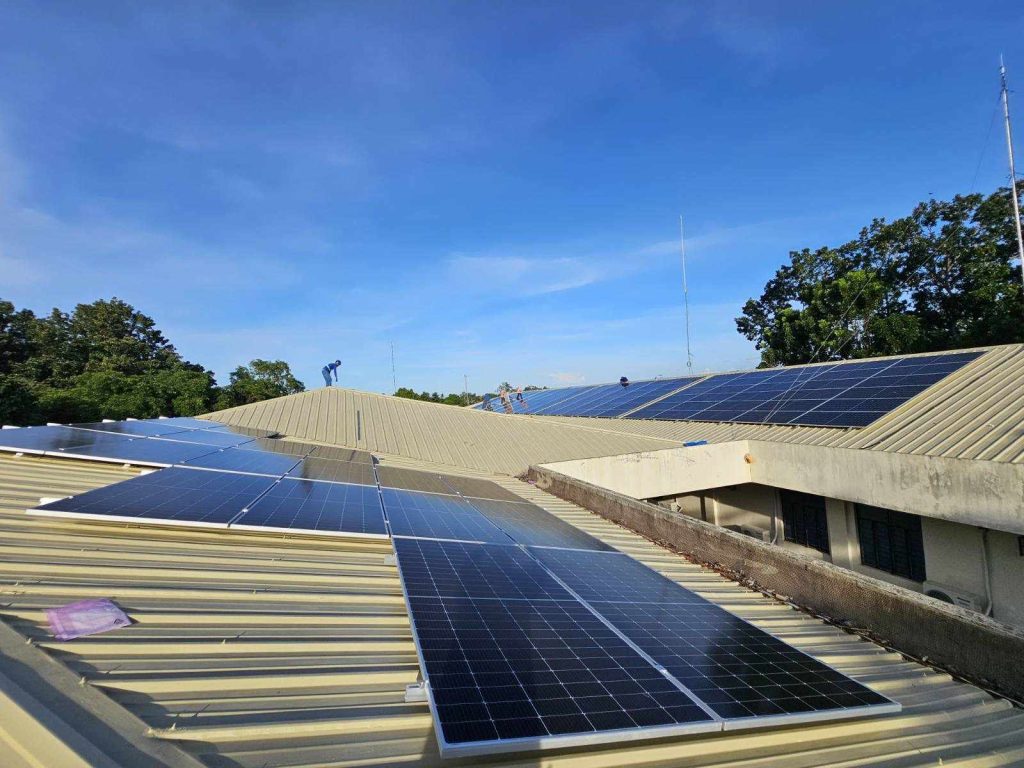
Solar panel installation was already on the list for 2025. As costs decline and communities gain experience, we can expect:
- parish solar cooperatives
- diocesan renewable energy plans
- stronger links between Catholic institutions and faith-based energy networks
2. Greater integration of ecological education
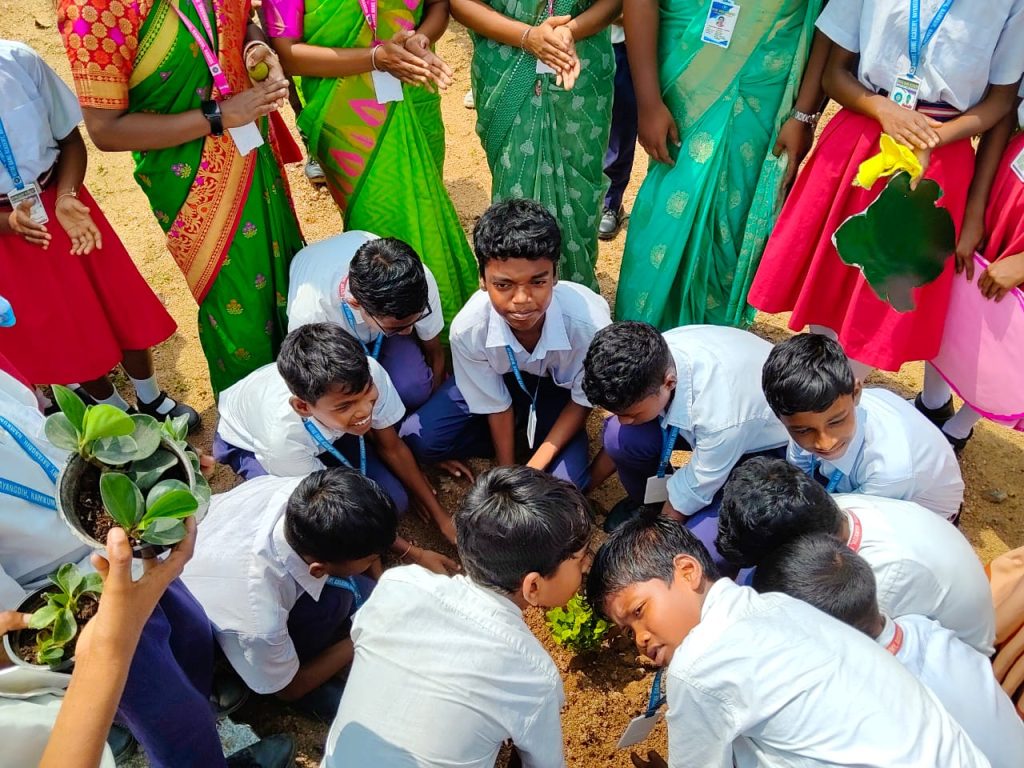
With 503 ecological education actions recorded in 2025, expect a significant rise in:
- school-based sustainability curricula
- university-level ecological research
- parish formation rooted in Laudato Si’
3. More public advocacy from Catholic leaders and communities
As “making public statements” enters the Top 10, dioceses and religious communities are likely to:
- issue stronger statements during major events like COP30 and beyond
- participate in national environmental policy discussions
- empower youth and lay leaders in advocacy roles
4. An expansion of the Laudato Si’ Action Platform Certificate Program
Launched in 2025 and already with dozens of recipients, the certificate will motivate more institutions to:
- complete Laudato Si’ Plans
- measure the impact of their actions
- share successful models globally
5. A deeper alignment of liturgy and ecological life
With the newly introduced Mass for the Care of Creation, we anticipate:
- Celebrating this Mass and and conducting other ecologically-sensitive prayer services
- Seasons of Creation celebrated with greater visibility
- Integration of ecological themes in sacramental preparation
A Church Putting into Action What It Teaches
The Top 10 Actions of 2025 reveal a Church that is awakening—not theoretically, but practically. People are recycling, composting, planting trees, adopting cleaner energy, choosing sustainable diets, and publicly advocating for justice. These are small actions, yes—but together they form the culture of care Pope Francis envisioned.
As the report beautifully puts it, these actions signal that sustainable practices are “no longer perceived as exceptional acts, but as shared norms.”
This is the heart of ecological conversion: the transformation of daily life in light of the Gospel.
And as we move toward 2026, the Church stands ready—not only to continue this journey, but to deepen it, expand it, and live it with renewed courage, responsibility, and joy.
Read the Full Annual Report
To dive deeper into the global stories, data, and trends shaping the Church’s ecological conversion, read the full Laudato Si’ Action Platform Annual Report 2024–2025. It offers a rich, hopeful picture of a worldwide Catholic community putting Laudato Si’ into action.