Nothing Is Too Small”: The European Province of the Society of the Holy Child Jesus
Posted November 13, 2025
From small communities in the United Kingdom to leadership in Rome, a small but deeply committed group of religious women continues to embody the spirit of Laudato Si’ in their daily lives. The European Province of the Society of the Holy Child Jesus, though small in number—just 42 members with an average age of 85—offers a profound example of how ecological conversion can flourish at any stage of life.
A Community Rooted in Ecological Spirituality
Their ecological journey began in 2021, when a small Care of Creation group came together to inspire and educate the members of this small province and to lead the way toward becoming partners in the Laudato Si’ Action Platform. This initiative led to the whole Society voting to register with the Laudato Si Action Platform at their General Chapter in 2022. Since then the European Province has faithfully sustained and updated their annual action plan, nurturing what they call “the ecological spirituality at the heart of all our endeavours.”
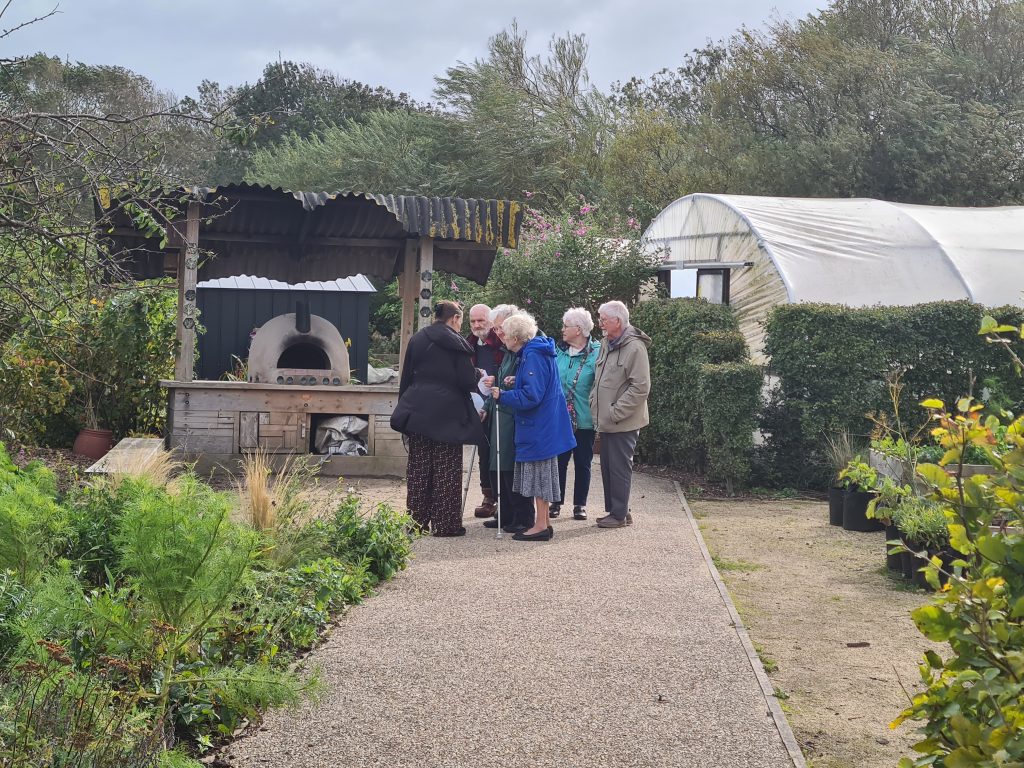
Several sisters gather together for the Season of Creation earlier this year.
Through their weekly province news, the sisters share resources for prayer and reflection tied to the rhythms of creation—Earth Day, the Equinoxes, and the Season of Creation. Many find nourishment through online networks such as Catholic International Development Charity (CAFOD), the Laudato Si’ Movement, the Creation Care Prayer Network, and New Pilgrim Path, as well as through reading, film discussions, and local parish celebrations.
For sisters living alone or in small communities, active and creative participation in local Laudato Si’ Week and Season of Creation events has become a source of connection and joy. As one reflection expressed, even from their armchairs, they can join the global song of creation.
Sustainability in Everyday Life
Despite their age, the sisters are deeply practical about sustainability. In their care home and beyond, they recycle regularly, avoid single-use plastics, and shop second-hand. Their 2025 plan commits to “reducing or stopping our use of anything harmful to the planet, and using wisely sources of energy, water, food, and travel.”
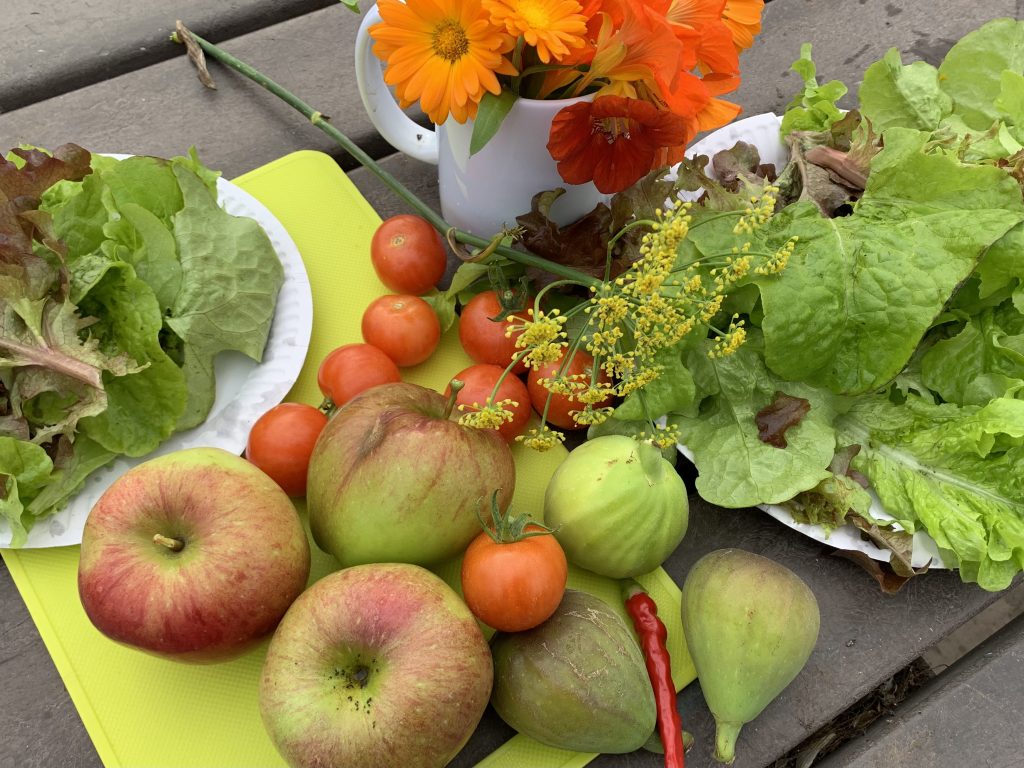
Small innovations have also emerged in care home gardens—for example, underplanting rose beds to attract pollinators and reduce pests, and collecting water from a land drain to keep young plants alive during the heat.
The community has also invested in hybrid cars and regularly participates in national efforts like The Great Plastic Count, a campaign that tracks and raises awareness about household plastic use across the United Kingdom.
Faith-Inspired Stewardship
Their ecological witness extends far beyond their own grounds. The European Province’s decision to embrace fossil-free investment and join the Green Investment Declaration grew out of a deep sense of mission.
“We worked with FaithInvest for nearly a year,” one sister explained, “to make sure our investment values aligned with our faith values.” That process led to a new investment policy guiding their financial partners toward climate-conscious stewardship.
Their efforts were recognized with the Oak Award, which honored their commitment to using financial resources to promote climate solutions. As expressed in a shared reflection, it’s not about how much one has, but how what we have is used in service of caring for creation.
Collaboration for Justice
Even as their numbers decline, the province’s reach remains remarkable. They award grants totalling £150,000 each year to organizations advancing ecological justice—supporting efforts for anti-trafficking, refugees, education, and environmental protection.

Climate Ed, a charity supported by the sisters, in London and Birmingham empowers children to understand climate change, think critically about its causes, and take practical action to reduce their carbon footprint at home and in their communities.
This form of collaboration supports other charities engaged in social and ecological justice. Each contribution continues their mission to respond to the needs of the times.
Hope for the Future
While they acknowledge their limitations, the sisters remain steadfast in hope—trusting that, even in later life, they can continue to foster awe, gratitude, and hope, the very foundations of ecological spirituality.
They also take joy in the ecological enthusiasm of their younger African sisters, who are expanding environmental initiatives in schools and communities across the continent.
Their message to others is simple yet powerful:
“Nothing is too small in this faith-inspired collaboration across the world for the care of the earth and the care of the poor. Simply do what is yours to do, trust, and pray.”