From Intention to Infrastructure: 4 lessons in turning ecological conversion into large scale action
Posted April 8, 2026
Across the global Church, many communities inspired by Laudato Si’ are asking a similar question: how do we move from ecological concern to real structural change?
The experience of Kinarya Coop in Indonesia offers a useful case study.
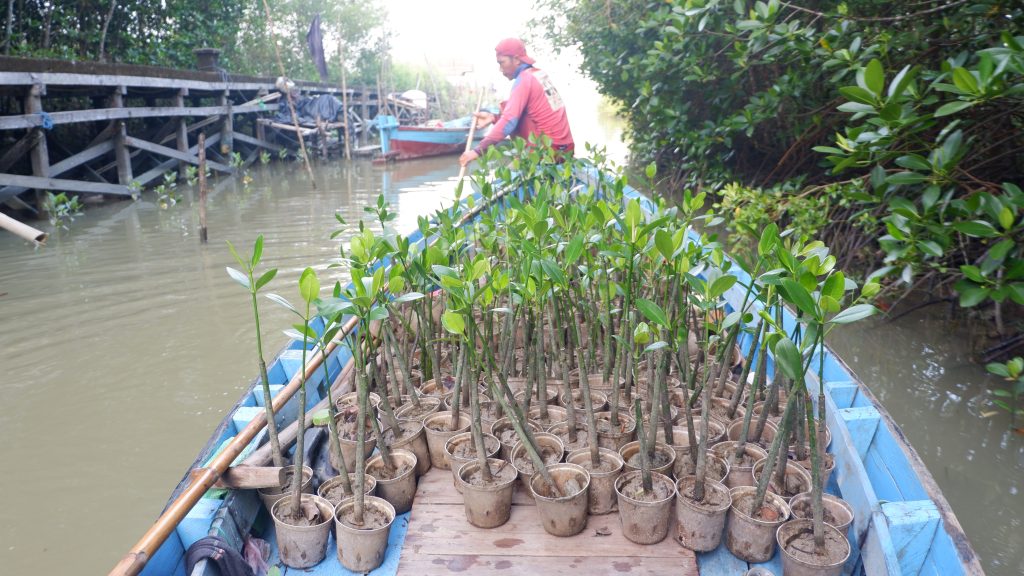
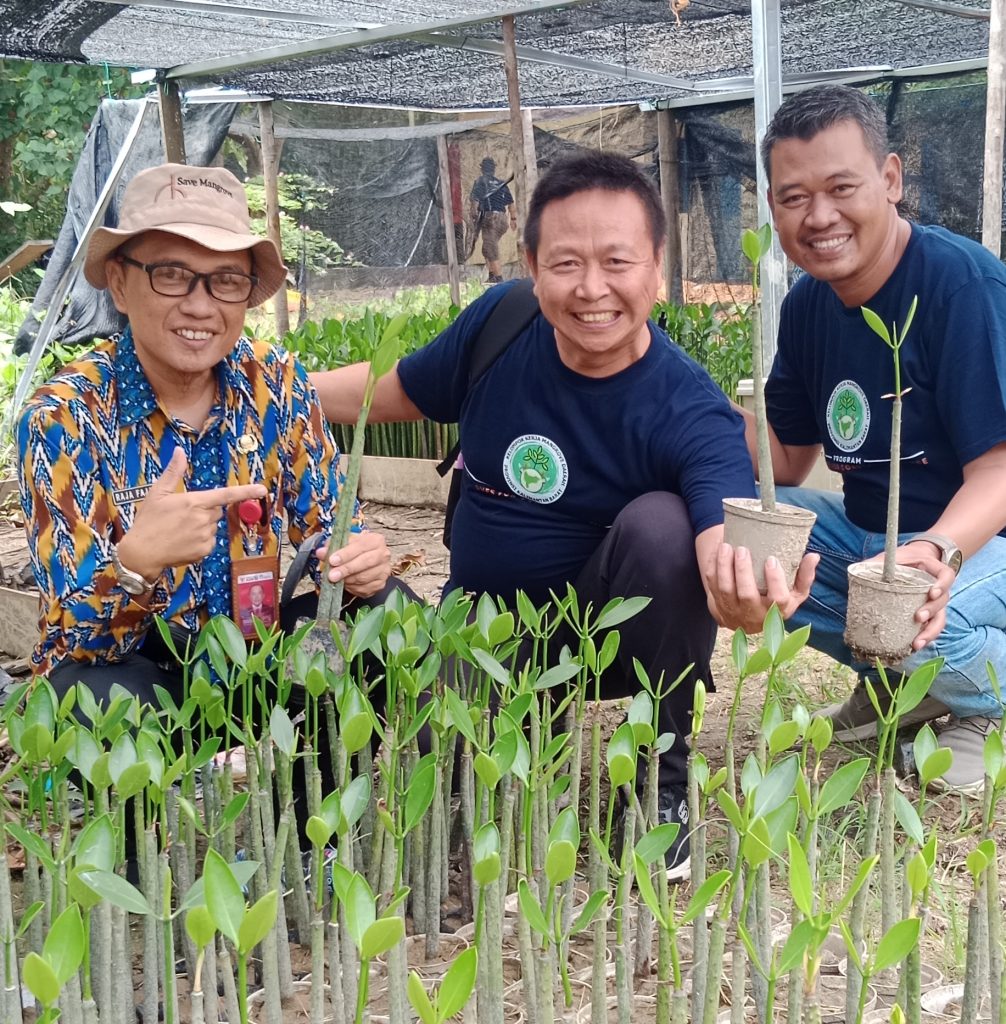
The cooperative is working with communities, institutions, and partners to plant millions of mangroves over the next several years. The first phase begins with an initial milestone connected to March ecological mobilization and Earth Day (22 April), when seedling (with Bio Pot instead of polybag, produced through a vocational system integrated with a scholarship program at Politeknik ATMI) preparation will begin.
Yet the story is not simply about planting trees. It is about building an integrated system that connects ecological restoration with education, governance, and economic dignity. For many participants in the Laudato Si’ Action Platform, the most valuable part of this initiative may be the lessons it offers about how institutions organize themselves for ecological action.
Lesson 1: Treat integral ecology as a system, not a project
One of the central challenges for ecological initiatives is fragmentation. Environmental programs, social programs that have an economic impact, and educational initiatives often operate separately.
Kinarya Coop approached the problem differently.
“We view integral ecology as a deeply integrated living system,” explains Ivonny Zakaria, one of the leaders of the initiative.
At the center of their model is a multi stakeholder cooperative structure that connects local communities, young people, institutions, and public partners. Environmental restoration, social development, and education are designed to reinforce each other rather than function as parallel projects.
Mangrove restoration becomes the entry point for a wider set of initiatives, including water access projects in climate vulnerable areas such as Nusa Tenggara Timur, educational opportunities for young people, and cooperative ownership structures intended to support economic dignity.
Zakaria explains that the goal is not only to plant trees but to transform how communities participate in environmental stewardship.
“Every tree planted through the movement is recorded and monitored so that contributors can see the environmental impact generated,” she says. “In this way restoration becomes education, governance, and social responsibility at the same time.”
For institutions seeking to practice integral ecology, the lesson is clear. Ecological action becomes more durable when it is embedded within systems that address environmental, social, and economic realities together.
Lesson 2: Transparency helps build collaboration at scale
Another challenge for large ecological initiatives is trust.
Projects that bring together governments, schools, civil society organizations, and international partners often struggle with questions of accountability. Who is responsible for the work? How are contributions tracked? How do participants know their efforts are making a difference?
For Kinarya Coop, technological transparency became part of the answer.
When communities contribute to the mangrove restoration effort, their participation is recorded through a digital system that tracks environmental impact and helps ensure transparency.
According to Zakaria, this system allows even small contributions to become visible and measurable.
“This creates confidence for partners and contributors,” she explains. “They can see the impact generated and know they are part of a secure and verified ecosystem.”
At the same time, the cooperative emphasizes that technology alone cannot build trust.
The deeper principle is shared ownership. Schools, universities, companies, diaspora & religious communities, and government partners are invited to participate as collaborators within a growing and sustainable ecosystem rather than simply as donors. For Catholic institutions considering large scale ecological initiatives, this model suggests that transparency and participation are essential foundations for collaboration.
Lesson 3: Leadership rooted in service sustains long term work
Large scale ecological work inevitably involves uncertainty. Partnerships take time to build. Bureaucratic processes can be complex. Projects evolve as conditions change.
For Zakaria, leadership in this context requires both conviction and humility.
“The most important leadership quality has been remaining steadfast in the vision God has provided while listening to the Holy Spirit through the events unfolding around us,” she says.
She describes this approach as a form of servant leadership.
“Even when I make mistakes, I try to fix it, remain consistent and maintain integrity,” she explains. “Leadership must be rooted in service, not dominance.”
Faith also plays an important role in sustaining the work.
“When facing uncertainty I return to God’s calling that we are stewards of creation,” she says. “That gives me the strength to keep moving forward.”
For institutions navigating ecological transformation, this perspective offers a reminder that leadership is not only technical or managerial. It is also spiritual, grounded in a sense of vocation and stewardship.
Lesson 4: Start where you are, but build systems for the future
The current phase of the initiative focuses on mobilizing communities and preparing seedlings using Bio Pots (in support of International Plastic Bag Free Day) before the first major planting cycle begins at International Mangrove Day (26 July 2026).
While the scale of the project is ambitious, the cooperative emphasizes that the deeper lesson is not about replicating the exact model elsewhere.
Instead, it is about helping institutions develop systems that allow ecological commitment to endure over time.
“Regardless of the scale of the project,” Zakaria says, “every institution must begin building collaborating systems that ensure long term sustainability.”
For Catholic communities around the world, that might mean forming partnerships with local schools, organizing parish networks, supporting youth leadership, or developing systems that track environmental impact.
The important step is beginning.
Zakaria hopes that initiatives like this one will help communities rediscover the courage to collaborate more boldly.
“If we move together now through the integration of faith with good systems,” she says, “there is still time for ecological conversion.”
The Laudato Si’ Action Platform will continue highlighting institutions around the world as they develop concrete paths toward ecological conversion. Later this year, we hope to revisit this initiative and share further reflections on what participants learned during the planting process and how similar collaborations might grow in other contexts.