
This July, as part of the historic “Laudato Si’ Ten Years Later: Where is Africa?” gathering, participants embarked on an Ecological Pilgrimage of Hope across Uganda. This was a journey that brought together spirituality, culture, and hands-on care for our common home. While not everyone could join the journey in person, the experiences and insights from this pilgrimage offer inspiration and practical lessons that can be lived out in any community.
Among the pilgrims were participants of the Laudato Si’ Action Platform, joining faith leaders, practitioners, and advocates from across the globe. Distinguished figures walked this journey too, including Cardinal Peter Kodwo Appiah Turkson, Sr. Sheila Kinsey, FCJM, Rev. Daniel G. Groody, C.S.C., Vice President and Associate Provost for Undergraduate Education at Notre Dame University, Sr. Damien Marie Savino, FSE, and the Platform Program Manager Alonso de Llanes
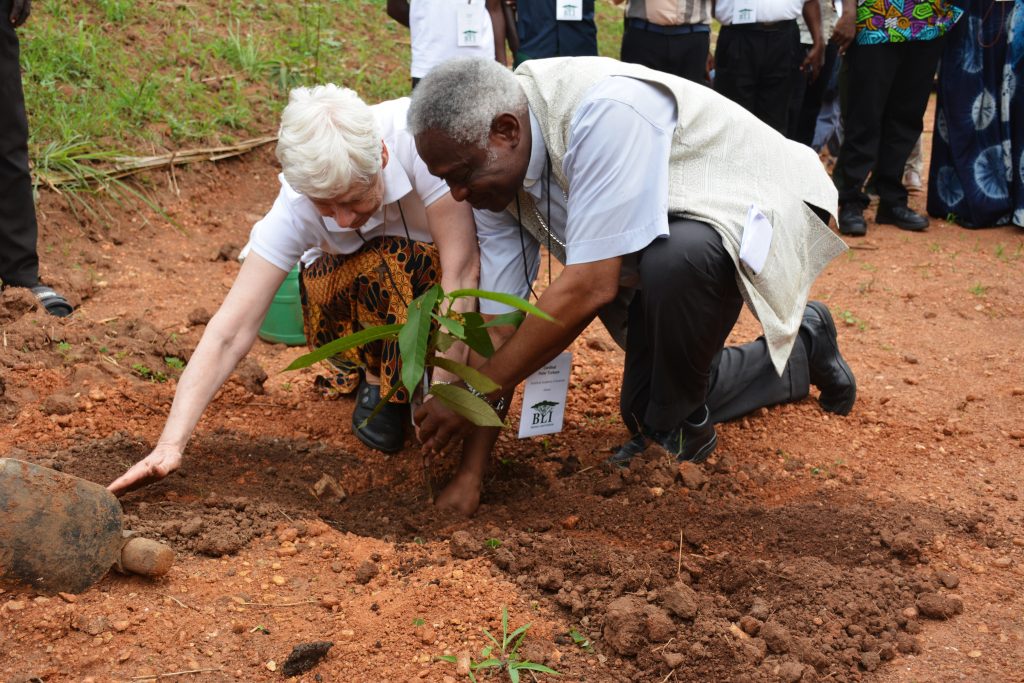
Photograph by Brett Beasley.
The pilgrimage began at the Namugongo Martyrs’ Shrines, a place of deep Christian witness, and continued to the source of the Nile in Jinja, where the waters reminded pilgrims of creation’s interconnectedness. Cultural experiences like the Ndere Cultural Show revealed the richness of Uganda’s heritage.
The heart of the journey was Bethany Land Institute (BLI) in Luweero, where participants saw integral ecology in action—cultivating the land in Mary’s School, exploring entrepreneurship at Martha’s Market, and walking under the rejuvenated canopy of Lazarus’ Forest. Pilgrims met BLI Caretakers—graduates who have committed to restoring land and livelihoods in their own communities.
The work of BLI Caretakers reflects a model that any parish, school, or family can adapt—restoring land, creating livelihoods, and building a culture of care starting from one’s own home and neighborhood. As BLI Co-Founder Fr. Emmanuel Katongole reflected, “A pilgrimage is more than visiting places—it is allowing the land, the people, and creation itself to speak to us, to convert our hearts, and to send us back home as caretakers of hope.”
The pilgrimage also included days in Murchison Falls National Park, where participants witnessed Uganda’s biodiversity up close, and nature walks that deepened understanding of the relationship between people and the land. These encounters with Uganda’s biodiversity reminded pilgrims—and can remind all of us—of the irreplaceable beauty of our local ecosystems and the responsibility we share to protect them.
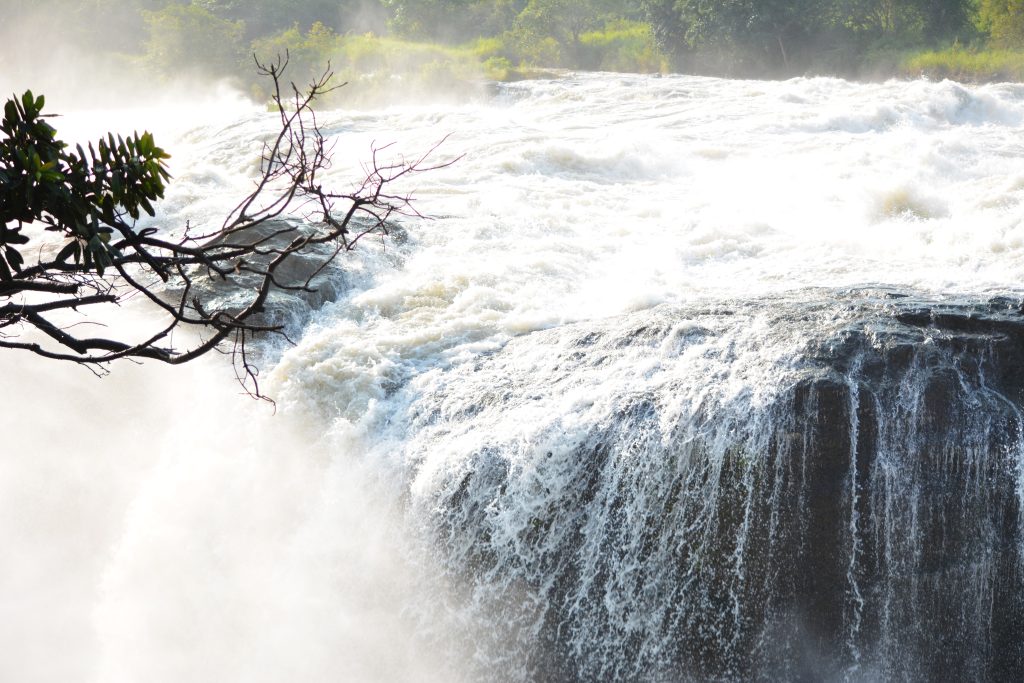
Photograph by Brett Beasley.
Throughout the pilgrimage, moments of prayer, liturgy, and reflection grounded the experience in a deep sense of eco-spirituality. Daily Masses, including celebrations in open-air settings surrounded by Uganda’s natural beauty, invited pilgrims to see creation as a living cathedral.
Shared moments of song, blessings before meals, and gratitude for the land reinforced the connection between faith and the care for our common home. In this way, through prayer, dialogue, cultural immersion, and ecological engagement, the Ecological Pilgrimage of Hope became a lived expression of Laudato Si’: listening to “the cry of the earth and the cry of the poor” (LS 49) and embracing the call to ecological conversion.
By the final evening in Entebbe, pilgrims carried home not only memories, but renewed commitments to live simply, act justly, and care for creation—ensuring that the seeds planted in Uganda will bear fruit far beyond its borders.
Whether walking the hills of Uganda or tending a small garden at home, we are all called to be “caretakers of hope” in our own contexts. This pilgrimage invites each of us to consider: where is the land, the community, or the relationship we are being called to restore?
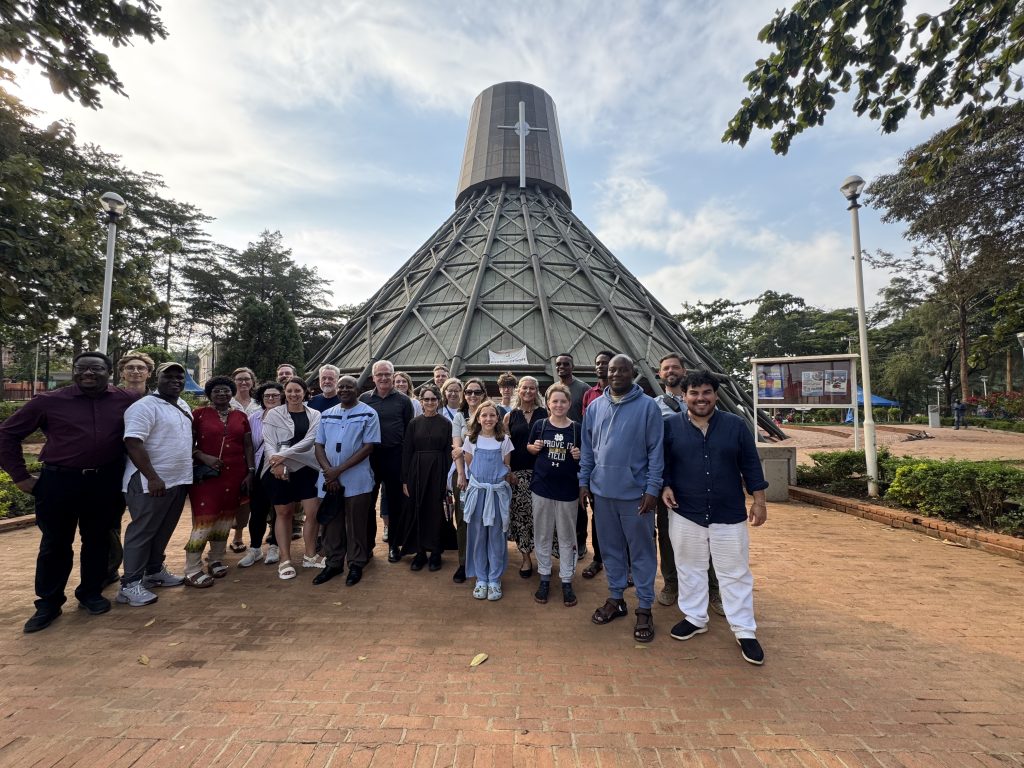
The pilgrimage initiating at the Namugongo Martyrs’ Shrine.