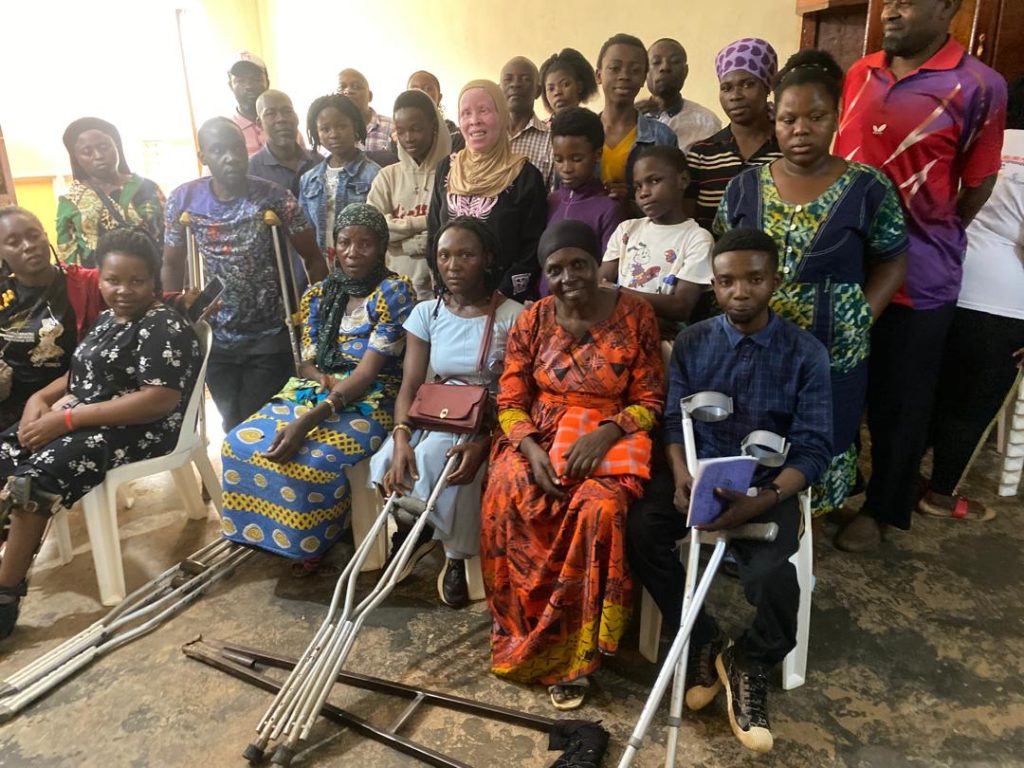
Refugees like Kapalakasa Zelo Chiley are turning hardship into hope. Kapalakasa Zelo Chiley, a Congolese refugee in Kampala, founded and designed the Refugee Together for Social Transformation (RTST) in 2020 after witnessing the exclusion of displaced people – especially those with disabilities – from education, work, and even emergency aid. “ From the start, RTST has been grassroots and volunteer‑run – “mobilizing small contributions, sharing skills, and supporting one another,” as Kapalakasa recalls – rather than waiting for outside help.
Uganda today hosts nearly 2 million refugees. Funding cuts have caused malnutrition and disease to surge in settlements. In this crisis, RTST’s community‑led approach makes change feel accessible. As Kapalakasa puts it, “RTST exists because our community needed hope, representation, and practical support – and we chose to respond with action.” By starting small – a garden plot here, a recycling workshop there – people see real results and gain confidence that they can act.
Cultivating Sustainable Farming
One of RTST’s first responses to crises was sustainable farming. In many settlements families have limited access to land, employment, and income. RTST trains people in organic practices: composting, water conservation, crop rotation and natural pest control. The results speak for themselves: participants report better nutrition and new income from surplus vegetables.
This work has a dual impact. Families eat healthier meals and can sell extra produce, easing hunger and poverty. At the same time, refugees learn to value the land as a “shared home to protect” rather than merely a resource to exploit. In RTST’s example, even with no formal funding, a little ecological agriculture goes a long way toward dignity: people learn skills, earn money, and feel proud of growing their own food.
Turning Waste into Resource
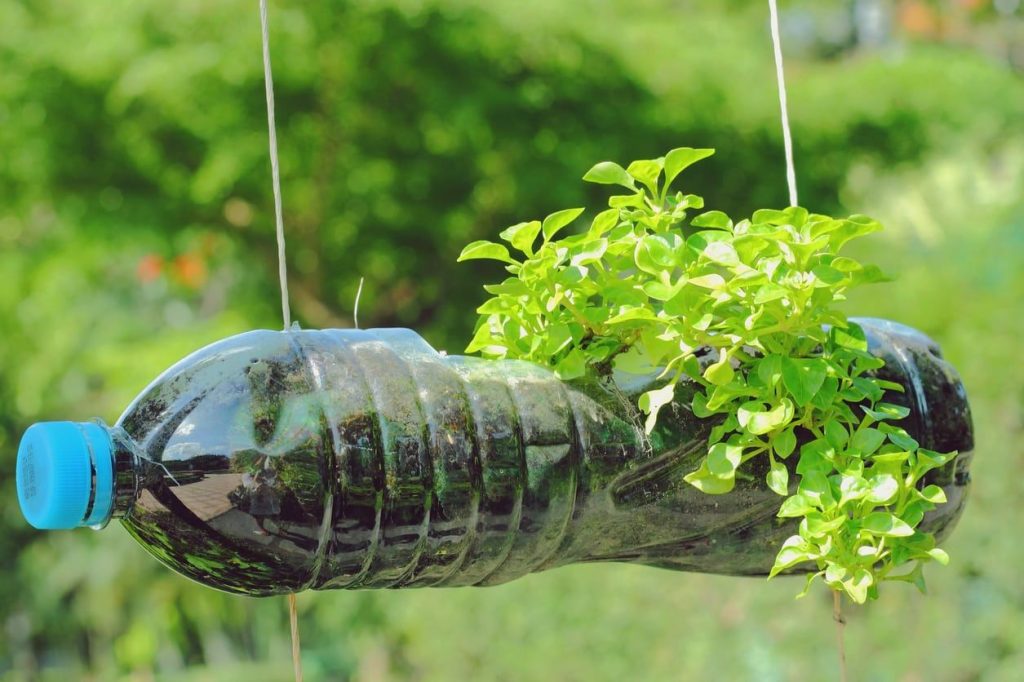
The waste-filled drains and strewn plastics common in settlements hide another opportunity. Instead of only seeing trash, RTST transforms it into a resource. Community volunteers collect and sort rubbish: organic scraps are composted for the gardens, while plastics and glass bottles become vertical garden plots, planters and art projects. “Instead of viewing waste as a problem alone, we saw an opportunity for transformation,” says Kapalakasa.
The simple act of turning waste into something useful shifts mindsets: people begin to think about waste reduction and stewardship. For some participants, they find empowerment knowing they are improving their community.
Educating for Integral Ecology
RTST believes knowledge is the foundation of lasting change. Volunteers run workshops and hands‑on lessons for youth, parents and community leaders on topics like climate, clean farming, waste reduction, and disability inclusion. Rather than lecturing from books alone, they teach practical skills: planting a kitchen garden, sorting trash, or calculating compost ratios – learning by doing.
The aim is a shift in mindset. RTST reports that people who used to burn trash or buy all their produce are now separating recyclables and growing vegetables at home. Young people become local “environmental ambassadors,” confident talking about how caring for the earth is tied to caring for people.
Embracing Integral Ecology in Practice
As a member of the Laudato Si’ Action Platform, RTST is planning to deepen this work. Founder Kapalakasa envisions expanding the farming and recycling projects, and making sure people with disabilities are always included in every activity. His closing message is one of hope: “We believe small, consistent actions – rooted in dignity, solidarity, and care for creation – can create lasting transformation.”
How You Can Start Where You Are
- Learn and listen. Identify a local need as RTST did (hunger, waste, lack of education). Ask community members, especially the most vulnerable, what challenges they face.
- Begin with volunteers. You don’t need a grant to start a garden or recycling drive. Gather a few committed people and pool modest resources (seeds, tools, or even community space).
- Grow skills and confidence. Share knowledge and celebrate small wins. When a family harvests their first tomatoes or a street is cleaner, everyone’s belief in change grows.
- Connect to broader goals. Frame your work in terms of integral ecology: as you improve community health and livelihoods. This approach reflects the vision of integral ecology articulated in Laudato Si’, where care for creation and care for the poor are inseparable. This echoes the Laudato Si’ vision linking social justice and environmental care.
- Share and network. RTST’s story shows the power of sharing experiences. Write, post, or speak about your project. You never know who might join you or offer support.
RTST’s journey shows that transformation can start locally – a garden plot, a clean‑up team, a few workshops. As Kapalakasa says, “We chose to respond with action,” proving that ordinary people can spark extraordinary change.
Stay connected: You can follow RTST’s work on Instagram and X.