“We have to realize that a true ecological approach always becomes a social approach… so as to hear both the cry of the earth and the cry of the poor.” (Laudato Si’, 49)
Bethany Land Institute (BLI), a proud participant in the Laudato Si’ Action Platform, is a beacon of integral ecology in rural Uganda. Founded in 2012 by Fr. Emmanuel Katongole, Fr. Cornelius Ssempala, and Fr. Anthony Rweza, BLI responds to three interconnected crises: deforestation, food insecurity, and poverty. Inspired by Laudato Si’, the founders envisioned a place where hands-on training, rural entrepreneurship, and spiritual formation come together to regenerate both land and communities.
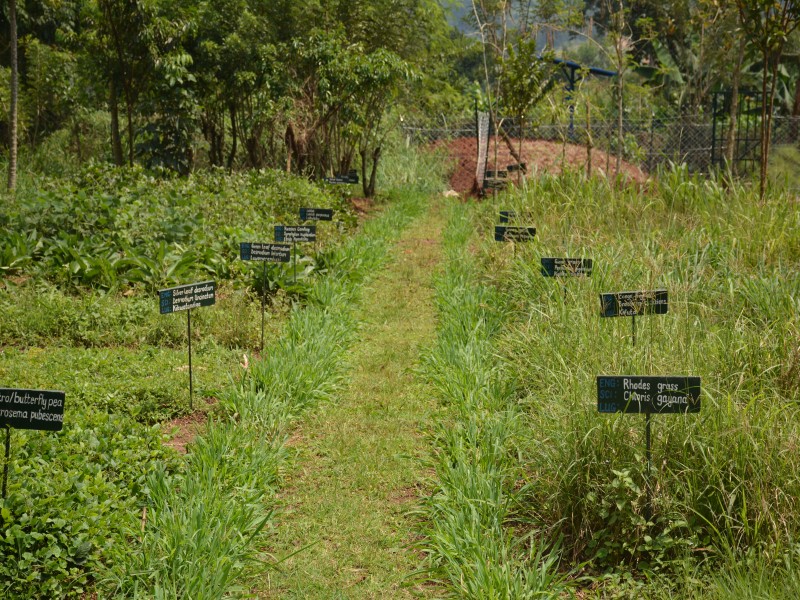
At the heart of BLI’s mission is the Caretaker Program, an intensive two-year residential course. Caretaker Trainees are formed in sustainable agriculture, agroforestry, agribusiness, and personal development, learning mainly through three key spaces: Mary’s School (agricultural and spiritual formation), Martha’s Market (entrepreneurship and local trade), and Lazarus’ Forest (reforestation and community-based ecological education, with a goal of planting one million trees by 2050).
After graduation, each Caretaker commits to starting their own farm—often in their home village—and to training others in integral ecology. This creates an ever-expanding network of thoughtful, creative farmers. To date, BLI has commissioned 80 Caretakers and planted over 232,000 trees, with 203 bird species returning to Lazarus’ Forest.
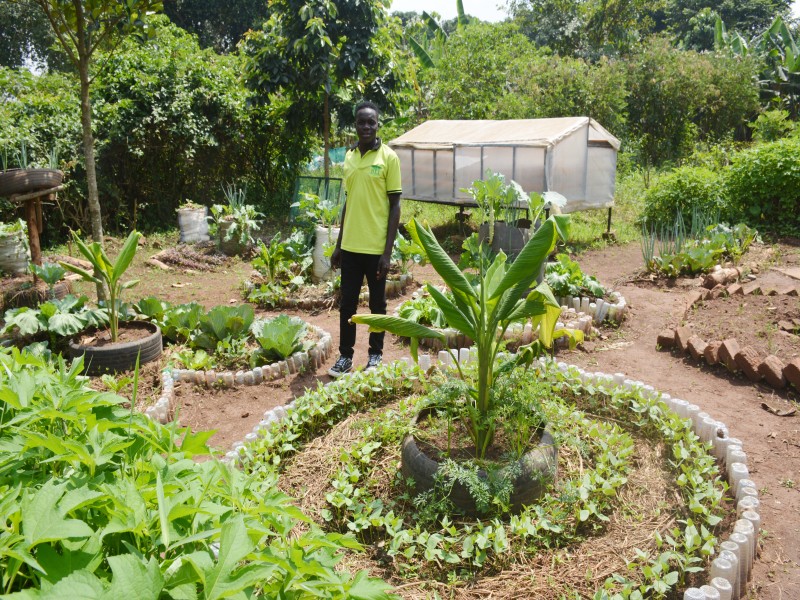
For Teresa Murray, BLI’s Development Director, “it’s remarkable that each year I return, the progress toward protecting creation and advancing integral ecology is tremendous.” Her words reflect the energy and dedication of the BLI community.
One caretaker, Nabadda Joylin Kirabo, shares: “I love working with the Caretakers. Here I’ve learned that I can set up my own farm in Africa and share my knowledge with my community.”
BLI’s impact extends beyond ecology—it restores dignity and opportunities for rural youth. Its location in Luweero, a region scarred by civil war and deforestation, makes it a living laboratory for resilience and regeneration.
As a participant in the Laudato Si’ Action Platform, Bethany Land Institute stands as a concrete example of how ecological conversion and community development can advance together, listening to both the cry of the earth and the cry of the poor.
As you reflect on BLI’s example, consider how its principles could inspire your own Laudato Si’ Action Plan. Could your parish, school, or organization start a small reforestation effort? Create local training opportunities? Pair ecological projects with skills that generate livelihoods? The plan template in your dashboard can help you adapt ideas like these to your reality: