
Case studies are valuable tools for showcasing real-world examples of how communities can engage with environmental stewardship in meaningful ways. By exploring this case study, we can gain practical insights and inspiration for implementing similar initiatives in our own contexts.
In 2025, school participants of the Laudato Si’ Action Platform across India and Nepal embraced their role as stewards of creation, blending faith, creativity, and environmental action. These initiatives educated students about environmental challenges and empowered them to become active participants in global sustainability efforts. Below are case studies from a few schools that have demonstrated their commitment to protecting our common home.
Auxilium Convent, Bandel
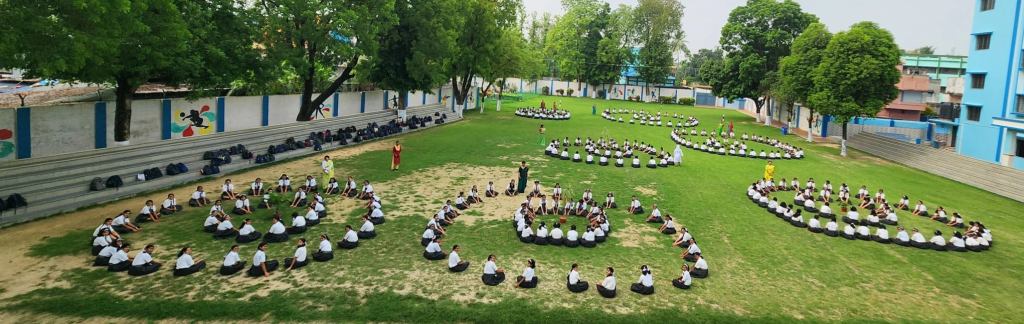
At Auxilium Convent School in Bandel, a day celebrating environmental stewardship began with a morning assembly that set the tone for the day. The theme, “Our Power, Our Planet,” was brought to life through a graceful dance performance symbolizing the harmony between humanity and nature, followed by a trilingual poem recital in Hindi, Bengali, and English that highlighted the urgency of ecological conservation. The event concluded with the school community standing in a circle around potted plants, reaffirming their commitment to nurturing the Earth and sustaining the environment for future generations.
Highlight: The performances and collective pledge engaged the school community, reinforcing the connection between their actions and the planet’s well-being.
Auxilium Convent, Barasat
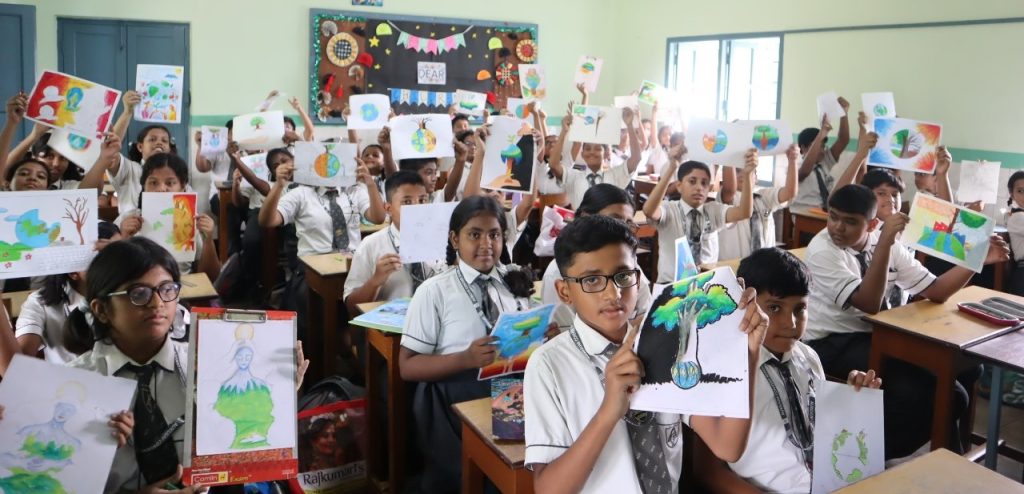
At Auxilium Convent, Barasat, students engaged with pressing environmental concerns through creative performances and thought-provoking skits. A student-led skit depicted the environmental challenges posed by urban pollution, with a focus on the situation in Delhi. The day also featured a drawing competition where students expressed their commitment to sustainability through art. These activities fostered a deeper understanding of environmental issues and inspired the students to take collective action.
Highlight: By combining artistic performances with critical reflection, students at Auxilium Barasat gained a deeper awareness of the environmental challenges in their own communities and their role in addressing them.
Auxilium Aspirantate
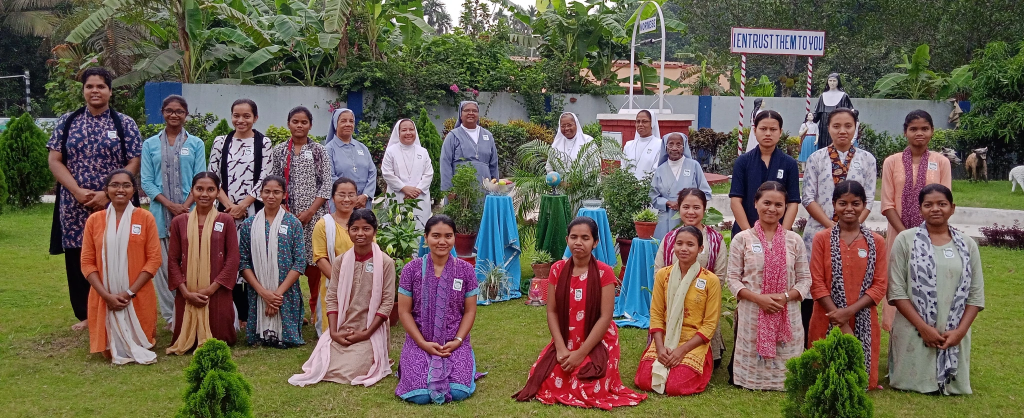
At Auxilium Aspirantate in the North 24 district of Bengal, the focus was on the spiritual and practical responsibilities we share to protect the environment. The celebration began with a prayer service held in the midst of nature, surrounded by trees and birds. This peaceful moment of reflection emphasized creation and its importance. Later, a drawing competition encouraged students to channel their reflections into creative expressions, reinforcing their commitment to protecting the planet.
Highlight: Spiritual reflection, combined with creative expression, strengthened the connection between faith and environmental stewardship.
Auxilium Convent, Gobra
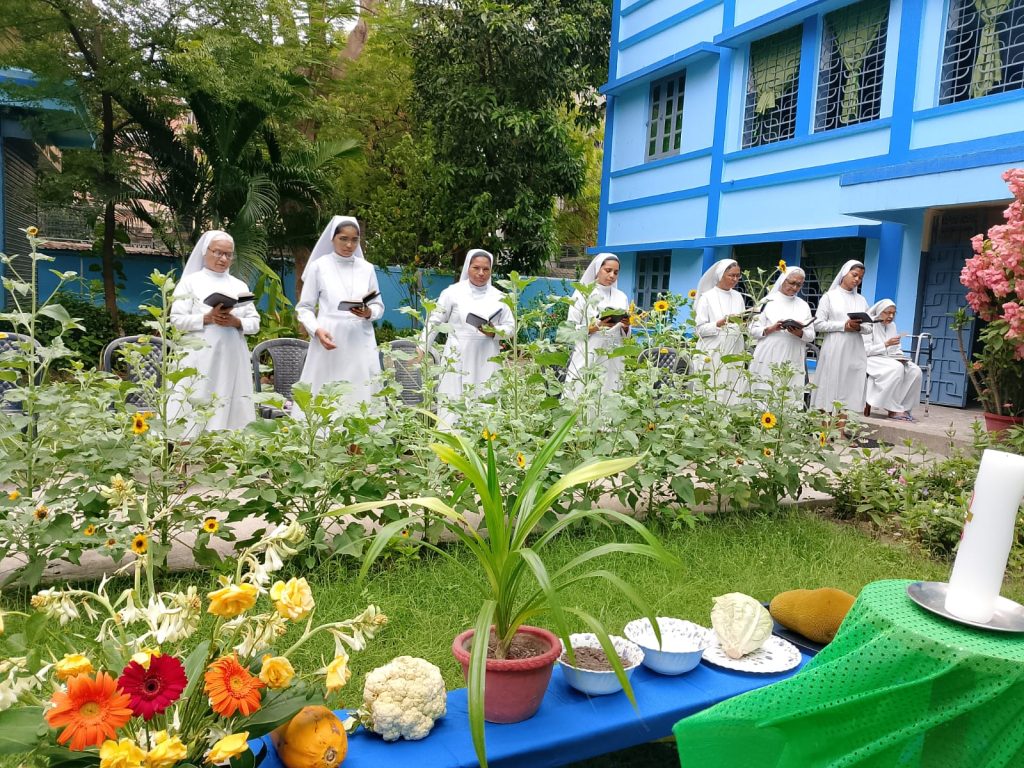
The celebration at Auxilium Convent, Gobra, began with a prayer service in which participants offered natural gifts—fruits, flowers, and plants—as symbols of gratitude. This moment emphasized the importance of nurturing and caring for the Earth.
Highlight: Symbolic acts of gratitude enhanced the spiritual and ecological dimensions of the celebration.
Vicuna Niwas, Jumaikela
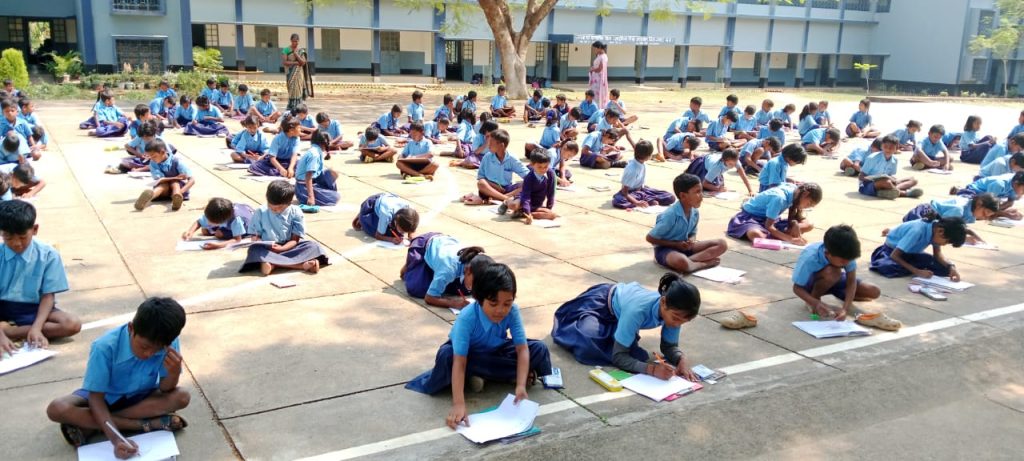
At Vicuna Niwas, Jumaikela, the celebration began with a prayer service followed by a nature walk that allowed participants to directly engage with their environment. This experience deepened their connection with nature and reinforced their role in protecting the Earth. The event concluded with a reflection on the importance of preserving the planet for future generations.
Highlight: The combination of a nature walk and creative activities provided a holistic approach to environmental awareness, connecting students directly with the Earth.
Salesian Sisters – Thecho, Nepal
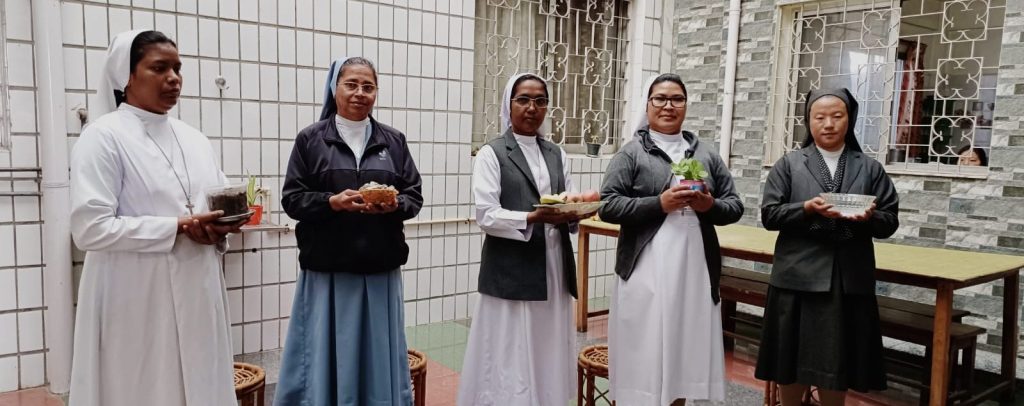
At the Salesian Sisters community in Thecho, Nepal, the celebration was centered around symbolic acts of reverence for nature. Participants brought elements like soil into a sacred space as an offering of gratitude for creation. This simple yet meaningful act of environmental consciousness helped students realize their role as guardians of the Earth.
Highlight: By combining symbolic acts of gratitude with creative expression, the event fostered a deep sense of responsibility and connection to the environment.
These school-based examples showcase how communities in India and Nepal are embracing their role in caring for creation. Through a mix of prayer, creative activities, and environmental reflection, these schools are instilling a sense of responsibility toward the Earth in students, empowering them to act as stewards of our common home.